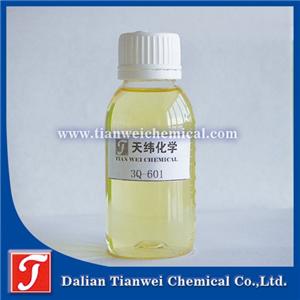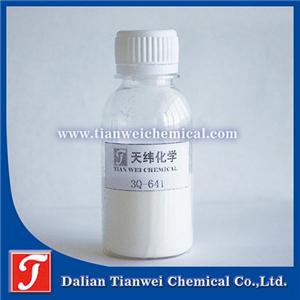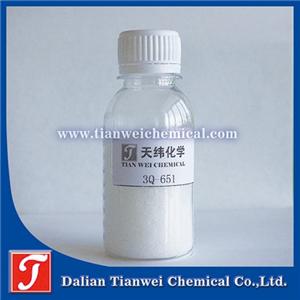
Antibacterial agent for medical multi-layer plates. Antibacterial rate > 99.9%
The antibacterial agents used in medical multi-layer boards mainly include inorganic antibacterial agents (such as silver ions, zinc ions, copper ions and their oxides) and organic antibacterial agents (such as pyridinylguanidines, quaternary ammonium salts). Their mechanism of action is to inhibit bacteria by destroying their cell structure or metabolic processes, and they need to meet the requirements of medical scenarios such as high efficiency, long-lasting effect, and safety. The following is an introduction to the antibacterial agents used in medical multi-layer boards:
I. Types of Antibacterial Agents
Inorganic Antibacterial Agents
Silver ion antibacterial agents: One of the most widely used inorganic antibacterial agents, they have broad-spectrum and highly efficient bactericidal capabilities. Silver ions tightly adsorb on the surface of bacteria through electrostatic interaction, then penetrate the cell membrane and enter the bacteria interior, combining with sulfhydryl groups to cause protein denaturation and inactivation, destroying the respiratory function of the bacteria and blocking the transmission of nutrients, ultimately leading to the rupture and death of the bacteria. Silver ion antibacterial agents have strong bactericidal capabilities and long-lasting antibacterial effects, and are not prone to developing resistance.
Zinc ion antibacterial agents: Zinc ion antibacterial agents release zinc ions, hydroxyl radicals, etc., to destroy bacterial proteins and DNA, thereby achieving the purpose of inhibiting and killing bacteria. Zinc ion antibacterial agents also have broad-spectrum antibacterial properties and are relatively safe.
Copper ion antibacterial agents: Copper ion antibacterial agents are also commonly used in medical multi-layer boards. Their antibacterial principle is similar to that of silver ions, by destroying the bacterial cell structure or metabolic process to inhibit bacterial growth.
Organic Antibacterial Agents
Pyridinylguanidines antibacterial agents: They can quickly inhibit the synthesis of bacterial nucleic acid and protein, preventing harmful bacteria from reproducing, thereby achieving the purpose of inhibiting and killing bacteria. These antibacterial agents have excellent inhibitory capabilities against Escherichia coli, Staphylococcus aureus, etc., and also have inhibitory effects on fungi and viruses.
Quaternary ammonium salts antibacterial agents: The higher the positive charge density of the quaternary ammonium salts, the stronger the electrostatic interaction with bacteria, and thus also have stronger antibacterial properties. Double-headed quaternary ammonium salts have stronger surface activity and bactericidal properties than traditional single-headed single-tail quaternary ammonium salts, and have excellent antibacterial activity against both Gram-positive and Gram-negative bacteria.
II. Application Methods of Antibacterial Agents in Medical Multi-layer Boards
Direct addition: During the manufacturing process of medical multi-layer boards, antibacterial agents are directly added to the substrate, making the antibacterial agents evenly distributed within the board, thereby achieving overall antibacterial effects.
Surface coating: A coating containing antibacterial agents is applied to the surface of medical multi-layer boards, inhibiting and killing various bacteria through contact and photocatalytic reactions. This coating is usually made of polymer materials, with tiny pores on the surface, which can form an antibacterial environment on the surface and prevent the reproduction and growth of bacteria.
III. Performance Requirements of Antibacterial Agents
High-efficiency antibacterial property: Antibacterial agents should have highly efficient inhibition and killing capabilities against various bacteria, molds, etc., to meet the strict requirements of medical environments.