Bactericidal and preservative agent BIT10 (1)
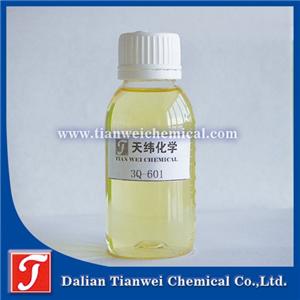
In the fields of industrial and consumer goods manufacturing, the deterioration of substances due to microbial action is a common and ongoing challenge that needs to be overcome. To control this process, specific chemical substances are required. These substances interfere with the key physiological functions of microorganisms, preventing their growth or directly causing their death. Depending on their target and application scenarios, these substances are classified as bactericides for bacteria and fungicides for fungi. This article will focus on a compound that demonstrates significant efficacy in specific application environments - 1,2-benzisothiazolin-3-one, with a common concentration specification of 10%, often referred to as BIT10.
Understanding the function of BIT10 does not start with its chemical name, but should begin with the basic logic of microbial survival. The proliferation of microorganisms depends on the integrity of their cell structure and the continuity of their metabolic processes. Any chemical intervention that can effectively disrupt the permeability of the cell membrane, interfere with the activity of the enzyme system, or hinder the replication of genetic material can achieve the inhibitory effect. The mechanism of BIT10's action mainly lies in the fact that its molecules can penetrate the cell membrane of microorganisms and irreversibly bind to proteins and enzymes within the cells that contain sulfhydryl groups (-SH). Sulfhydryl groups are essential groups for the activity centers of many key enzymes and are involved in energy metabolism and synthesis processes. When the BIT10 molecules bind to these sulfhydryl groups, the catalytic function of the related enzymes is lost, thereby causing the interruption of the respiratory process and biological synthesis pathways of the microorganisms, growth to be inhibited, and ultimately death.
The effectiveness of BIT10 is rooted in its unique chemical structure. The molecular core of BIT10 is a fused compound of a benzene ring and an isothiazolinone ring. This structure endows it with certain chemical inertness and stability. Compared to some earlier components that were prone to decomposition and volatility, BIT10 remains stable within a wider pH range (typically 4-12) and does not quickly lose its effectiveness due to minor fluctuations in the acidity or alkalinity of the system. It has low hydrolysis sensitivity, which means that in formulations based on water as the base, it can maintain a long-lasting effective concentration and provide long-lasting protection. However, this stability is not well-known. In the presence of strong oxidants, strong reductants, or certain metal ions, its structure may still be damaged, which is a factor to be considered diversely in the formulation design and compounding process.
2. Targeted selection of application scenarios
BIT10 is not a high-quality type of sterilizing and preservative agent. Its application has clear scene-specificity. Its main advantageous areas lie in industrial water-based systems, such as latex paints, polymer emulsions, adhesives, metal processing fluids, inks and dyes, etc. In these products, there is abundant moisture and organic nutrients, which are prone to bacterial and mold growth, leading to product spoilage, viscosity reduction, odor generation or damage to coating performance. BIT10, due to its good water compatibility, long-lasting nature and relatively small impact on product color and odor, becomes the preferred choice in these fields. In contrast, some traditional preservatives such as formaldehyde releasers, although broad-spectrum and highly effective, have potential volatile health risks and environmental pressures; while certain quaternary ammonium salt products may affect system stability due to their ionic nature or be prone to generating foam. BIT10 demonstrates a better balance in these aspects.