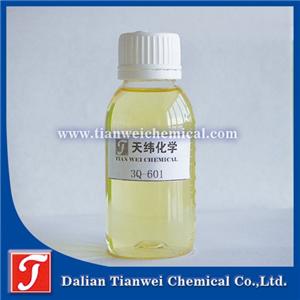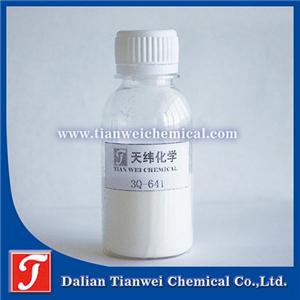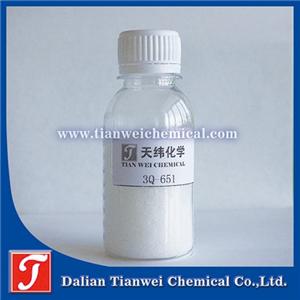
Cable material mold inhibitor - Grade 0 mold prevention
Dalian Tianwei Cable Material Anti-Mildew Agent is a type of highly efficient, safe and environmentally friendly additive, designed to inhibit the growth of mold in cable materials and prevent physical performance degradation, appearance damage and potential health risks caused by mold. Here is a comprehensive introduction to it:
1. Core Components and Mechanism of Action
The core components of Dalian Tianwei Cable Material Anti-Mildew Agent include DCOIT (dichloro-octyl isothiazolinone), IPBC (iodopropynyl butyl amine carboxylate), and other highly effective organic anti-mold agents, as well as compound antibacterial and anti-mold agents developed specifically for PVC and other materials. These components achieve the anti-mold effect through the following mechanisms:
Destroying the cell structure of mold: Binding to the proteins inside the mold cells, causing cell death; Penetrating the cell membrane and disrupting the ion balance inside and outside the cells, causing the mold cells to lose water and die.
Inhibiting metabolic activities: Interfering with the enzyme system or nucleic acid replication of mold, inhibiting the respiration of mold, thereby blocking its growth and reproduction.
Forming metal chelates: Binding to the metal ions required by mold, blocking the supply of essential trace elements required for mold growth, causing the mold to die.
II. Product Features and Advantages
Highly effective and broad-spectrum: It has specific effects on common molds such as Aspergillus niger, Penicillium, and Mucor, with an inhibition rate of over 99.9%. Additionally, some products also have the ability to inhibit bacterial growth, such as an inhibition rate of over 99.9% against common pathogenic bacteria like Escherichia coli and Staphylococcus aureus.
Safe and environmentally friendly: It complies with national and industry safety standards, with an LD50 of ≥ 5000mg/kg (belonging to the actual non-toxic level), being harmless to the human body and having no irritation to the skin. Moreover, it does not contain heavy metals such as arsenic and tin, and has no release of VOCs (volatile organic compounds), meeting environmental protection standards such as EU Reach and ROHS.
Good thermal stability: It can withstand the high-temperature environment during cable material processing, with short-term temperature resistance reaching up to 200°C or even higher, ensuring no decomposition or loss of activity under high temperatures and maintaining long-term mold prevention performance.
Good compatibility: It has excellent compatibility with various cable material bases and their additives, without affecting the physical and chemical properties of the cable material, such as color, hardness, and tensile strength.
Strong durability: Through material modification, the antibacterial components are tightly combined with the molecular chains of the cable material, and the effective content of the antibacterial substances remains permanently unchanged, ensuring strong and long-lasting antibacterial effect, which can last for over 8 years.
III. Application Scenarios and Effects
The anti-mildew agent for cable materials produced by Dalian Tianwei is widely used in the production of various cable materials, such as PVC cables, TPU cables, flame-retardant PE sheaths, etc. Its application effects are mainly reflected in the following aspects:
Enhancing the weather resistance of cable materials: By inhibiting the growth of mold and bacteria, it extends the service life of cable materials, reduces the frequency of replacement and costs due to moldy deterioration.
Maintaining the appearance of cable materials: Preventing mold from growing and reproducing on the surface of cable materials, it maintains their original color and luster, enhancing the aesthetic appeal and market competitiveness of the products.
Ensuring the safety of power transmission: Preventing mold from eroding cable materials, it reduces electrical performance, ensures the stability and safety of power transmission, and reduces power outage accidents and safety hazards caused by moldy deterioration.
IV. Suggestions for Selection and Usage
When choosing the anti-mildew agent for Dalian Tianwei cable materials, the following factors should be considered comprehensively:
Anti-mildew effect: Opt for anti-mildew agents that have specific effects on various types of molds to ensure comprehensive inhibition of mold growth.
Compatibility: Ensure that the anti-mildew agent has good compatibility with the cable material base and its additives, avoiding any impact on the performance of the cable material.
Safety: Select anti-mildew agents with low irritation to the human body and in line with environmental protection requirements to ensure that they do not cause harm to the environment and human health during use.
Temperature resistance: Select anti-mildew agents with appropriate temperature resistance based on the usage environment of the cable material to ensure long-term anti-mildew performance at high temperatures.
Cost-effectiveness: While meeting the anti-mildew requirements, choose products with high cost-effectiveness to reduce production costs
.
When using Dalian tianwei anti-mildew agent for cable materials, the following steps are recommended:
Determine the addition amount: Based on the specific requirements of the cable material and the performance of the anti-mildew agent, determine the appropriate addition amount. Insufficient addition may not achieve the expected anti-mildew effect, while excessive addition may affect the performance of the cable material.
Mix evenly: Mix the anti-mildew agent with the cable material raw materials in the mixing equipment thoroughly to ensure uniform distribution of the anti-mildew agent in the cable material, avoiding local excessive or insufficient concentration.
Processing and molding: Perform extrusion, injection molding, etc. in accordance with the processing technology of the cable material. During the processing, pay attention to controlling process parameters such as temperature, pressure, and speed to ensure that the cable material can fully melt, flow, and fill the mold cavity, while avoiding the failure of the anti-mildew agent due to high-temperature decomposition.