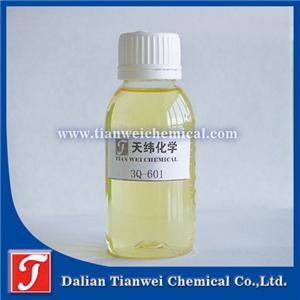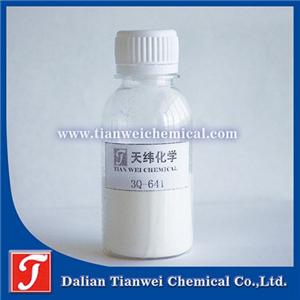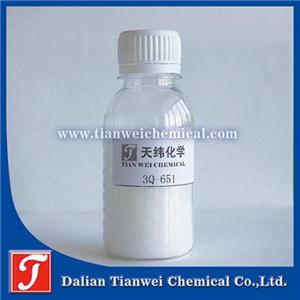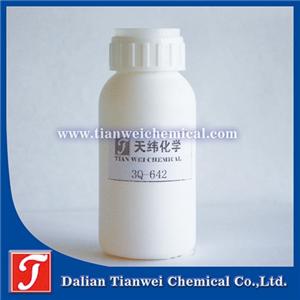
EVA foam shoe material powder antibacterial and mold-resistant agent
EVA foaming materials have become the mainstream choice for midsoles of sports shoes, casual slippers, and functional insoles due to their lightweight rebound, cushioning and shock absorption properties, as well as their processing adaptability. However, the perforated or semi-perforated structure formed after foaming EVA is prone to absorbing sweat and skin debris during wear, and the warm and humid environment inside the shoe cavity provides ideal conditions for bacteria and mold to multiply. For applications in food contact grade scenarios - such as children's shoe materials, home slippers, and shoe parts that may be chewed by infants - the safety standards for antibacterial and mold-resistant agents are much higher than those of ordinary industrial-grade requirements. They must simultaneously meet the constraints of efficient broad-spectrum inhibition and "no migration, no leaching, and non-toxicity".
Why does EVA shoe material require a food-grade contact safety antibacterial and mold-resistant solution?
The microbial risks of EVA shoe materials have a clear health-oriented nature. The common discomfort odors and skin irritation in shoes are mostly caused by the metabolic products of bacteria decomposing sweat; while the colonization of mold in the damp shoe cavity may lead to foot skin allergies or repeated fungal infections. For EVA shoe materials claiming antibacterial and mold-resistant functions, the safety level of their additives directly determines whether the product can enter the market with strict requirements for food contact.
The Chinese food contact material regulatory system is based on the GB 4806 series and GB 9685 as the core framework. GB 9685 stipulates the permitted additive varieties and usage limits for food contact materials in a positive list form. Antibacterial and mold-resistant agents, as functional additives, their active ingredients must be within the scope of this list, and the finished products must pass total migration and specific migration limit tests. This means that not all silver ions or organic antibacterial agents that perform well in plastics have the qualification for food contact, and suppliers must provide a complete compliance document chain, including active substance registration certificates, migration quantity test reports, and conformity statements.
In this context, the powder form demonstrates the unique advantages of adapting to the EVA foaming process. The granulation and foaming process of EVA shoe materials involves high-temperature mixing and mold pressure cross-linking, and liquid antibacterial agents are prone to volatilization or degradation under these conditions. In contrast, powder antibacterial agents are loaded with active components on inorganic carriers, and their thermal stability is significantly better than organic liquid systems. They can maintain structural integrity within the processing window and uniformly lock into the foam cell walls after foaming, achieving long-term sustained release rather than surface coating-based temporary protection.
The technical adaptation of the powder form antibacterial and mold-resistant solution for EVA foaming shoe materials
To meet the food contact grade requirements of EVA foaming shoe materials, a powder antibacterial and mold-resistant agent with inorganic silver ions as the core active component is provided. The technical core of this solution lies in combining the broad-spectrum antibacterial efficacy of silver ions with the structural stability of zirconium phosphate carriers, ensuring safety and compliance while addressing the pain point of bacteria and mold proliferation in EVA porous materials in damp environments.