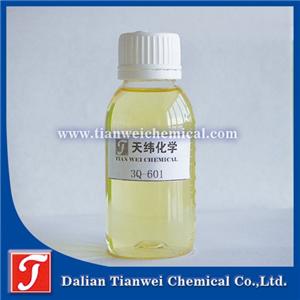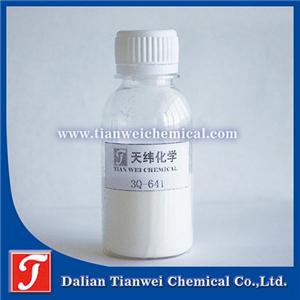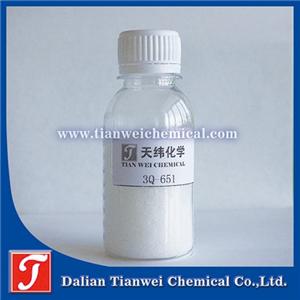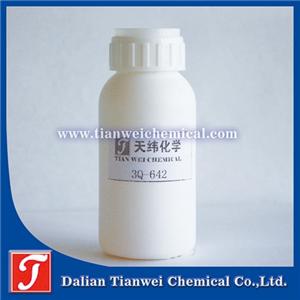
Fruit carton coating with antibacterial and mold-preventing agents can extend the service life of the cartons.
Fruit carton coating antibacterial and mold-resistant agent is a chemical or natural formulation used for fruit packaging cartons to prevent mold growth, extend the service life of the cartons, and protect the quality of the fruits. Here is a detailed introduction to it:
1. Mechanism of action
Destroying the cell structure of mold: By destroying the cell membrane structure of mold and bacteria (such as silver ions penetrating the cell wall) or interfering with their metabolic processes (such as isothiazolinone inhibiting DNA synthesis), it achieves efficient antibacterial.
Inhibiting spore germination: Eliminating or inhibiting the activity of various metabolic enzymes in mold cells, inhibiting RNA synthesis during spore germination, thereby preventing spore germination.
Destroying the energy release system: Accelerating the promotion of the oxidative-reduction system, destroying the function of the cell, or destroying the energy release system within mold cells, inhibiting the electron transfer system and transaminase system, etc.
2. Main types
Inorganic mold-resistant agents: Have a wide antibacterial spectrum, are safe to use, heat-resistant, and have good persistence. For example, copper oxide is a red or dark red octahedral crystalline powder, widely used for ship mold prevention, with low usage cost, especially suitable for military mold-resistant coatings; barium borate is a white cubic crystalline powder, mainly used for mold prevention in water-based latex coatings.
Organic mold-resistant agents: Have a wide spectrum, act quickly, and have good antibacterial and mold-resistant effects, but some organic mold-resistant agents have poor heat resistance, short mold prevention duration, and certain toxicity. For example, phenolic compounds (substituted aromatic hydrocarbons), elemental organic compounds, nitrogen-containing organic compounds, halogen-containing organic compounds, sulfur-containing organic compounds, etc.
3. Application characteristics
Environmental friendliness: Modern antibacterial and mold-resistant agents increasingly focus on environmental friendliness. Many products comply with environmental standards and do not contain harmful substances, such as no DMF, formaldehyde, heavy metals, etc.
Durability: The antibacterial and mold-resistant agents are chemically bonded to the materials, with strong durability, and still maintain antibacterial effects after water washing tests.
Wide applicability: Suitable for surface treatment of various materials such as fibers, leather, and paper, and can be processed flexibly by spraying without affecting the production process.
4. Application on fruit cartons
Preventing carton mold: Fruit cartons are prone to mold growth during storage and transportation. Using antibacterial and mold-resistant agents can effectively prevent mold growth in cartons and extend their service life.
Protecting fruit quality: Mold growth in cartons may contaminate the packaged fruits. Using antibacterial and mold-resistant agents can protect fruit quality and reduce losses.
Improving logistics efficiency: Using antibacterial and mold-resistant cartons is more durable and strong, reducing damage and replacement frequency during logistics, and improving logistics efficiency.
5. Usage precautions
Selecting the appropriate mold-resistant agent: Choose the appropriate antibacterial and mold-resistant agent based on the material of the carton, the usage environment, and the type of fruits.
Controlling the usage amount: Control the usage amount according to the product instructions to avoid excessive use, which may lead to increased costs or harm to the environment and human bodies.
Pay attention to safe operation: When using antibacterial and mold-resistant agents, pay attention to safe operation, avoid direct contact with skin and eyes, and immediately rinse with water and seek medical attention if accidentally contacted.