Plastic extrusion antibacterial masterbatch: The key material for functional upgrading
In the context of enhanced global public health awareness and the surging demand for health and safety materials in the consumer market, plastic extrusion antibacterial masterbatch, as the core material for functional upgrading of plastic products, is experiencing unprecedented development opportunities. This masterbatch, which is prepared by highly concentrated and highly dispersed compounding of efficient antibacterial agents with carrier resins, not only solves the technical problems of easy agglomeration and uneven dispersion when adding antibacterial powder directly, but also ensures the stability and long-lasting effectiveness of the antibacterial function during extrusion processing. It has become a key technical path for enhancing the product value in fields such as non-woven fabrics, carpets, bristle wires, ropes, and fiber products.
Technical Principles and Performance Advantages
The core technology of antibacterial masterbatch lies in the deep integration of antibacterial agents and carrier resin. Taking nano-zinc oxide antibacterial masterbatch as an example, by blending ultra-fine nano-zinc oxide particles with fiber-grade polyester chips, the particle specific surface area is increased, and the adsorption capacity is significantly enhanced. It can utilize ultraviolet light for catalytic degradation of organic substances and enhance the bactericidal activity. The antibacterial yarn made from this masterbatch has an antibacterial rate of over 99% against common pathogenic bacteria such as Escherichia coli and Staphylococcus aureus. Moreover, it has minimal impact on the physical and mechanical properties of the substrate, excellent processability, and can produce 75D/72F short staple fibers without any obstacles.
Another type of typical product - organic antibacterial masterbatch is made by combining non-metallic antibacterial agents (such as polyguanidine salts) with polyethylene materials and achieving uniform dispersion through twin-screw extrusion technology. Its antibacterial activity value is ≥ 2.0, the antibacterial rate is ≥ 99%, and it has good thermal stability and a light color. It complies with the EU RoHS and Reach standards and can be widely applied in food packaging, medical devices and other fields.
Application scenarios and market value:
Medical and health field
In products such as surgical gowns, masks, and medical dressings, antibacterial masterbatches can effectively inhibit the growth of bacteria and reduce the risk of cross-infection. For example, fiber-grade organic antibacterial polyester masterbatch, by attaching the polyguanidine salt antibacterial agent to the polyester plastic, achieves long-lasting, non-degradable, and transparent characteristics, and has been applied in scenarios such as disposable gloves and hospital facilities.
Home living field
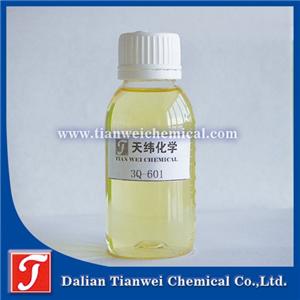
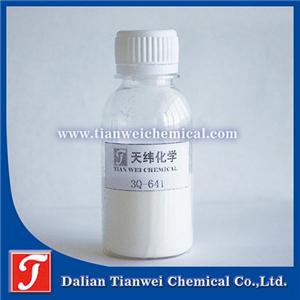
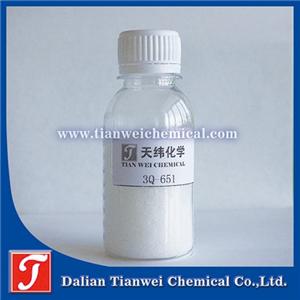
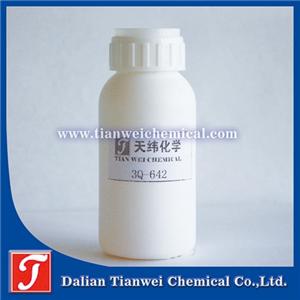
Products such as carpets, curtains, and brush fibers made from antibacterial masterbatch can inhibit the growth of mold for a long time and reduce the generation of odors. Dalian Tianwei Chemical's efficient plastic antibacterial masterbatch is suitable for various substrates such as PP, PE, and ABS. Its antibacterial effect against fungi like Candida albicans is up to 99.9%,significantly improving the hygiene performance of household items.
Industry and Consumer Electronics:
In components that are frequently touched such as keyboards, mice, and phone cases, antibacterial masterbatches can form a lasting antibacterial protective layer. Nanjing Tianshi Lantian Biotechnology Co., Ltd. has developed customized antibacterial masterbatches. Through vertical integration of the synthesis of antibacterial monomers and the design of masterbatch formulations, these masterbatches can meet the high-standard requirements for food contact or medical-grade applications.
Agriculture and packaging field:
Agricultural films and food packaging bags made of antibacterial masterbatches can extend the shelf life of products and reduce microbial contamination. For example, when zinc oxide antibacterial masterbatch is used in the production of preservation bags, its adsorption capacity for harmful gases such as ammonia and formaldehyde is increased by more than 30%, while maintaining the transparency and mechanical properties of the substrate.
Production process and quality control:
The production of antibacterial masterbatch requires strict control over three key aspects:
Raw material selection: Based on the characteristics of the substrate (such as PE, PP, PET, etc.), select appropriate antibacterial agents (inorganic silver/zinc, organic polyguanidine salts, etc.) with suitable temperature resistance and compatibility.
Mixing process: A twin-screw extruder is used to achieve uniform dispersion of the antibacterial agent and the resin, avoiding the formation of agglomerates.
Testing and Certification: It must pass ISO 22196, JIS Z 2801 and other international standards tests to verify the antibacterial rate and durability. Some enterprises also offer one-stop services from material selection to process debugging, helping customers quickly obtain certifications such as FDA and BPR.
Industry Trends and Future Prospects:
Currently, the antibacterial masterbatch industry is evolving towards the directions of high efficiency, long-lasting efficacy, safety, environmental friendliness, and multi-functional integration:
Deepening application of nanotechnology: By controlling the size of nanoparticles and surface modification, the antibacterial activity and substrate compatibility can be further enhanced.
Development of green antibacterial agents: Environmental-friendly antibacterial agents such as natural plant extracts and photocatalytic materials are gradually replacing traditional chemical preparations.
Intelligent production: By leveraging AI simulation and big data analysis, the antibacterial masterbatch formula and process parameters can be optimized, shortening the research and development cycle.
Cross-border innovation integration: Antibacterial masterbatches are combined with flame retardant, anti-static, and degradable functions, meeting the diversified needs of the high-end market.
According to market research institutions, by 2028, the global market size of antibacterial plastics will exceed 12 billion US dollars, and the proportion of extruded antibacterial masterbatches is expected to exceed 35%. With technological iteration and deepening of industrial chain collaboration, this functional material will continue to empower the upgrading of the manufacturing industry, building a more solid barrier for human health and life.