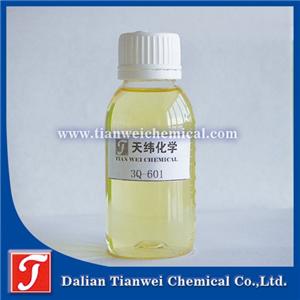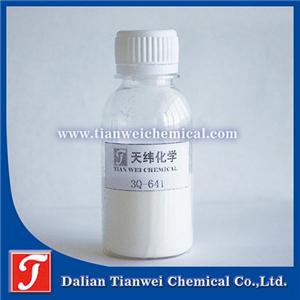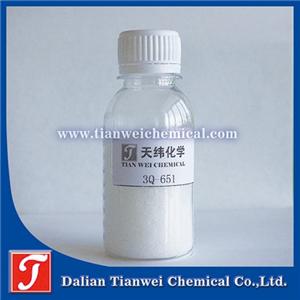
Preservatives and mold inhibitors for textile yarns and fabrics provide long-lasting mold prevention
Preservatives and biocides commonly used in textile yarns and fabrics are a type of chemical auxiliaries that can inhibit or kill microorganisms (such as bacteria, fungi, and yeasts). Their core function is to prevent problems such as mold, tor, odor, and strength reduction caused by microbial growth during the storage, processing, or use of textiles. The following is the specific introduction:
I. Main Components and Types
Organic acids
Salicylic acid: It is suitable for storage environments and has a relatively small impact on color and human health. It is often used for anti-mold treatment of cotton yarn and grey fabric.
Benzoic acid and parabens: By disrupting the enzyme system or cell membrane of microorganisms and inhibiting their metabolic activities, they are widely used in textile printing and dyeing auxiliaries.
Copper salts
Copper naphthenate: It has strong water resistance and is suitable for outdoor or damp environments (such as tents, canvas), as it destroys the structure of microbial cells through copper ions.
Copper 8-hydroxyquinoline: Highly effective against mold, often used for anti-mold finishing of fibers such as cotton and nylon.
Quaternary ammonium salts
By reducing surface tension and increasing the permeability of cell membranes, it leads to the rupture of the bacterial cells. It is suitable for all kinds of fibers and is particularly effective against Pseudomonas.
Isothiazolinones
Broad-spectrum and highly efficient, high-temperature resistant, it is often used in textile printing and dyeing, dye and auxiliary agent systems to inhibit the growth of bacteria and fungi.
Nano-silver ions
It destroys the protein structure of microorganisms by releasing silver ions, is environmentally friendly and non-irritating, and is suitable for high-end textiles (such as baby clothes and medical fabrics).
Ii. Core Mechanism of Action
Damage to cell membranes: Such as quaternary ammonium salts and copper salts, which cause the leakage of contents by increasing membrane permeability.
Inhibiting enzyme activity: Such as organic acids, interfering with key enzymes in microbial metabolism (such as transaminase, phosphoredox enzyme).
Block energy metabolism: Disrupt the ATP synthesis system of microorganisms, preventing them from growing and reproducing.
Oxidative damage: For instance, nano-silver ions decompose the cell walls of microorganisms through oxidation.
Iii. Application Scenarios and Effects
Storage to prevent mold
Salicylic acid treatment: For short-term storage of cotton yarn (≤3 months), the recommended dosage is 0.2%-0.3%; for long-term storage (>3 months), it is 0.3%-0.5%, which can extend the shelf life by 6-12 months.
Anti-mold tablets/sprays: Used as accessories for luggage and clothing to prevent mold during transportation.
Processing pretreatment
The padding process: Before bleaching and dyeing, the grey fabric is padding with copper naphthenate salt to form a water-washable and mold-resistant layer.
Spray supplement: Spray quaternary ammonium salt-based fungicides before packaging the finished products to enhance surface protection.
Terminal product protection
Home textiles: Curtains, bed sheets, etc. are added with nano-silver ions to keep the smell fresh and be washable.
Industrial fabrics: Filter cloth, isothiazolinone type for packaging materials, to control microbial contamination.
Iv. Selection Criteria and Precautions
Safety
Give priority to products that have passed the textile ecological safety certification (such as Oeko-Tex Standard 100) and are free of formaldehyde and heavy metals.
Avoid using preservatives containing toxic substances such as mercury and chromium (for instance, mercury compounds used in the early days have been phased out).
Environmental adaptability
In hot and humid environments (such as Southeast Asia), copper salts or quaternary ammonium salts that are resistant to water washing and high temperatures should be selected.
In dry environments, salicylic acid types with lower costs can be selected.
Fiber type
Natural fibers (cotton, linen) are prone to moisture absorption and require strong fungicides (such as copper naphthenate salts).
For synthetic fibers (polyester, nylon), general-purpose textile fungicides (such as LF model) can be selected.
Operating Specifications
When adding, wear protective equipment (gloves, goggles) to avoid direct contact with the skin.
Store in a sealed container in a cool and dry place to prevent the fungicide from losing its effectiveness.