PU polyurethane foam sofa cushion mold prevention solution
The PU polyurethane foam sofa cushions, with their high resilience, softness, comfort, lightness and durability, have become the standard materials for home soft furnishings and office seats. However, the porous structure of PU foam makes it highly prone to absorbing sweat, moisture and dust - in humid home environments or during the rainy seasons in southern regions, molds such as Aspergillus niger and Penicillium chrysogenum can rapidly multiply in the pores, resulting in mold spots, unpleasant odors, loss of resilience, and significant impact on the user experience and product lifespan. Industry research indicates that due to the porous and hygroscopic nature of PU soft foams, their products are easily contaminated with sweat and various stains, causing bacterial growth, material performance loss, and harm to human health.
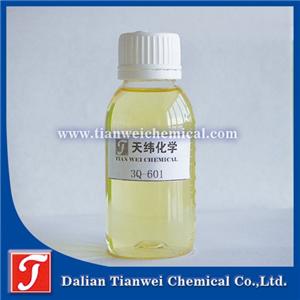
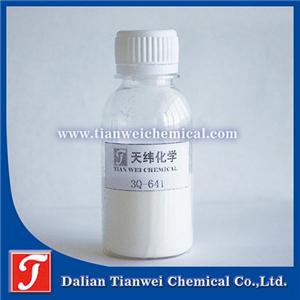
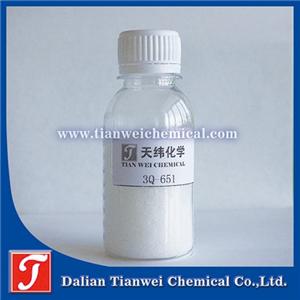
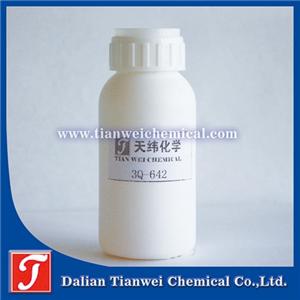
Dalian Tianwei has launched a dedicated antibacterial and mold-resistant solution for the PU polyurethane foam foaming system, with the core being the nano silver-zinc composite slow-release technology, which is suitable for soft, medium-soft and full hardness foam foaming. It achieves full-cycle microbial protection of the base material through raw material addition.
01 Why do PU foam sofa cushions need a dedicated antibacterial and mold-resistant agent
Material characteristics determine the necessity of protection
PU polyurethane foam sofa cushions face multiple microbial threats, and the root cause lies in their material structure and application environment:
Porous structure harbors dirt: PU soft foams have open or semi-open bubble structures, which easily absorb sweat, moisture and dust. These residues become the "food" for mold growth, and in environments with humidity > 70%, Aspergillus niger and Penicillium chrysogenum can rapidly multiply in the pores.
Organic components in the formula: The polyether polyols, isocyanates and other raw materials used in the foam formula may also become carbon sources for microorganisms under certain conditions, further exacerbating the risk of mold growth.
Difficult to clean and dry over time: Sofa cushions are difficult to be thoroughly cleaned and dried, remaining in indoor environments for a long time, and microorganisms continuously accumulate and multiply, ultimately leading to material performance loss and hygiene problems.
Consequences without mold-resistant agent
Mold spots affect appearance: Black spots and mold spots appear on the surface and inside of the foam, directly affecting the appearance and brand image of the product
Odor generation: Mold metabolism releases volatile organic compounds, affecting indoor air quality and user experience
Resilience decline: Microorganisms erode the molecular structure of the foam, resulting in decreased resilience, collapse, and shortened lifespan
Health risks: Mold spores released may trigger respiratory allergies, posing a health risk to sensitive individuals
02 Technical requirements for PU foam mold-resistant agent and Tianshi Lantian solution
Adaptation threshold for PU foaming process
The mainstream production processes of PU foam sofa cushions are molding foaming or free foaming. During foaming, the polyols and isocyanates react with the catalyst, and the foaming agent generates gas to form bubble structures. The mold-resistant agent must meet the following requirements:
Compatibility with the foaming system: It must be compatible with polyols, isocyanates, catalysts, and leveling agents, without blocking the pores, and without changing the foaming ratio and bubble structure
High temperature resistance: The foaming reaction releases heat of up to 150-180°C, and the mold-resistant agent must remain stable and not decompose at this temperature
Does not affect physical properties: It does not change the core indicators such as resilience, tensile strength, and hardness of the foam