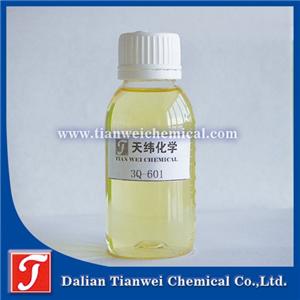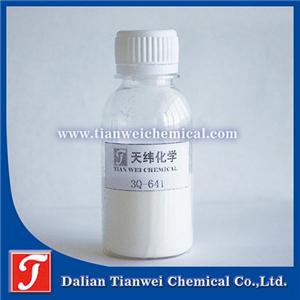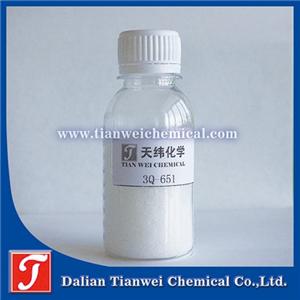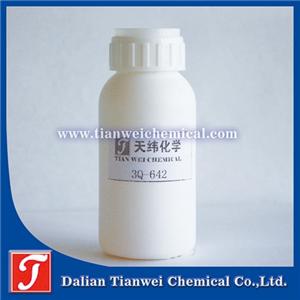
Silica sol mold inhibitor, grade 0 mold prevention, highly stable
Silica sol mold inhibitor is a mold-preventing material composed of nano-sized silica particles as the core component. It is prepared through specific formulations and processes. Its core mechanism of action is to prevent mold growth and reproduction by damaging the mold cell structure or inhibiting its metabolic activities. The following details are provided from four aspects: composition, mechanism of action, application scenarios, and advantages:
1. Composition
Silica particles: As the core component, their particle size is usually between 10 nanometers and 100 nanometers, with a large specific surface area and good dispersibility.
Silane coupling agent: Used to improve the compatibility between silica particles and other components, enhancing the stability and effectiveness of the mold inhibitor.
Diluent: Such as acetone, methyl ethyl ketone, etc., used to adjust the viscosity of the mold inhibitor, facilitating application and construction.
Organosilicon compounds: Such as bioactive organosilicon, silicone oil, etc., giving the mold inhibitor specific properties, such as lubricity, water resistance, etc.
Antistatic agent: To prevent static electricity from occurring during application of the mold inhibitor, which may affect its effectiveness.
2. Mechanism of Action
The silica sol mold inhibitor prevents mold growth and reproduction by damaging the mold cell structure or inhibiting its metabolic activities. The nano-sized silica particles have a large specific surface area, which can adsorb mold spores and prevent their germination and growth. At the same time, other components in the mold inhibitor, such as silane coupling agent, organosilicon compounds, etc., can penetrate into the mold cell interior, damaging its cell membrane or inhibiting its enzyme activity, thereby achieving the effect of mold prevention.