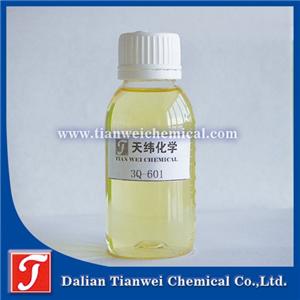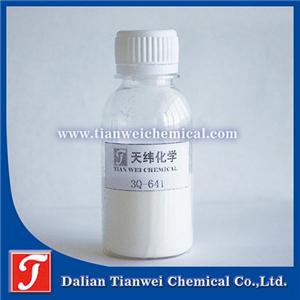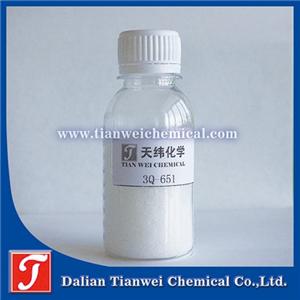
The antibacterial agent for PVC hospital handrails has an antibacterial rate of 99.9%, reducing cross-infection
PVC hospital handrail antibacterial agent is an additive specially designed for PVC materials, aiming to inhibit or kill microorganisms on the surface of handrails to reduce the risk of cross-infection and ensure the hygiene and safety of the medical environment. The following is a detailed introduction from five aspects: core features, mechanism of action, application advantages, application scenarios, and key points of use
I. Core Features
Broad-spectrum antibacterial property: It has a highly efficient inhibitory effect on common pathogenic bacteria such as Escherichia coli and Staphylococcus aureus, as well as molds like Aspergillus Niger and Aspergillus soil, with an antibacterial rate of over 99% and a mold prevention grade of 0 (the highest standard).
Long-lasting antibacterial effect: Through sustained-release technology or nanoparticle dispersion technology, the antibacterial agent can stably exist in PVC materials for a long time, continuously inhibiting the growth of microorganisms and preventing the material from degrading due to microbial erosion.
Stable physical and chemical properties: Heat-resistant (processing temperature can reach over 200℃), UV-resistant, and can maintain stable antibacterial performance in harsh environments such as humidity and high temperature.
High safety: Non-toxic and non-irritating, it meets the safety standards for medical supplies and poses no potential risks to the human body. For instance, the LD50 of silver ionic antibacterial agents is ≥2000mg/kg, which is non-irritating to the skin and shows negative gene mutations.
Good compatibility: It works in harmony and stably with components such as PVC resin and plasticizers, without altering the physical properties of the material (such as strength and weather resistance), and without affecting the processing techniques (such as injection molding and extrusion).
Ii. Mechanism of Action
Destroying cell structure: Nano-antibacterial agents (such as silver and copper ions) release antibacterial ions that penetrate the bacterial cell membrane, destroy the cell structure, and cause the death of bacteria.
Inhibiting metabolic processes: Organic antibacterial agents (such as isothiazolinone compounds) inhibit the reproduction of bacteria by interfering with their energy metabolism or enzyme activity.
Sustained-release long-lasting antibacterial: An antibacterial agent loaded with silver and zinc ions on a zirconium phosphate carrier achieves long-lasting antibacterial effects through sustained-release technology, with efficacy lasting for several years.
Iii. Application Advantages
Reduce the risk of cross-infection: Hospital corridor handrails are frequently touched every day (such as 80-120 times a day). Adding antibacterial agents can significantly reduce the spread of bacteria and ensure the health of patients and medical staff.
Extend service life: Inhibit the degradation of PVC materials by enzymes secreted by microorganisms, avoid surface cracking, discoloration and other problems, and extend the service life of the handrail.
Enhance user experience: Reduce odors and mold spots, keep handrails clean and hygienic, and improve the overall environmental quality of the hospital.
Adapt to harsh environments: Resistant to disinfectant corrosion, mold, and expansion deformation, meeting the special environmental requirements of hospitals such as humidity and high temperature.
Iv. Application Scenarios
Hospital corridor handrails: High-frequency contact areas, which need to maintain antibacterial performance for a long time.
Ward handrails: Provide patients with safe and hygienic support facilities.
Public area handrails, such as those in the outpatient hall and waiting areas, reduce the risk of microbial transmission.
V. Key Points for Use
Addition ratio: The conventional dosage is 0.5%-2.0% (i.e., 5-20 grams per kilogram of PVC). The specific dosage should be determined based on the antibacterial requirements of the product and the process conditions. If the humidity of the usage environment is relatively high or long-term contact with microorganisms is required, the humidity can be appropriately increased to 2.0%-3.0%.
Mixing process: Add antibacterial agents during the PVC raw material mixing stage and ensure uniform dispersion through high-speed stirring. If extrusion or injection molding processes are adopted, the temperature should be kept stable during the melting stage (it is recommended to be 160-180℃) to avoid local overheating which may cause the decomposition of active ingredients.
Storage conditions: The antibacterial agent should be stored in a cool and dry place, avoiding direct sunlight and high temperatures.
Safety precautions: During operation, appropriate protective equipment (such as protective clothing, goggles, rubber gloves) should be worn to prevent the harm of antibacterial agents to the human body.