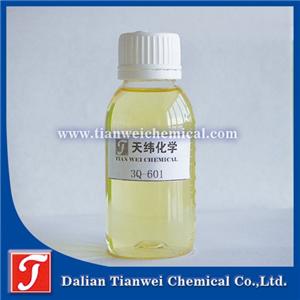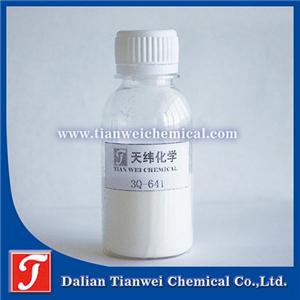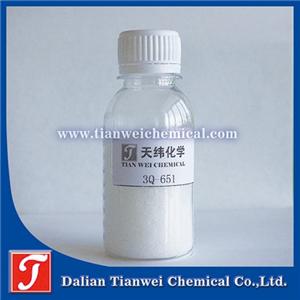
The antibacterial and antifungal agent for leather materials has an antibacterial rate of 99.9% and does not prevent mold
Leather material antibacterial and antifungal agent is a chemical agent used to inhibit or kill microorganisms on the surface of leather, prevent mold and extend its service life. Its core components include organic polymer materials, amide compounds, etc. It has the characteristics of broad-spectrum antibacterial, low toxicity and environmental protection, and long-lasting stability. It is suitable for the processing and storage of leather products such as car seats, leather shoes and bags.
I. Core Components and Mechanism of Action
Main ingredients
Organic polymer materials: such as modified mesoporous silica coated with nano-silver, which combines with leather fibers through physical or chemical bonds to form a long-lasting antibacterial layer.
Amide compounds: such as N-dichloroethylene salicylamide and n-octyl-4-isothiazolin-3-one, inhibit the growth of microorganisms by destroying their cell membrane structure.
Nano-silver technology: By taking advantage of the broad-spectrum antibacterial properties of nano-silver particles, the inhibition rate against 650 types of bacteria, viruses and fungi (such as Staphylococcus aureus and Escherichia coli) reaches 99.9%.
Mechanism of action
Mechanical sterilization: The non-release treatment agent combines with leather through chemical bonds, which is highly durable and avoids the development of drug resistance.
Penetration inhibition: Some components can penetrate into the interior of leather fibers, inhibit the enzyme activity secreted by mold, and prevent the fibers from cracking and rotting.
Ii. Core Functions and Advantages
Highly effective antibacterial and antifungal
It has a highly efficient inhibitory effect on common molds such as Aspergillus Niger, Aspergillus flavus, and Penicillium citrium, as well as bacteria like Escherichia coli and Staphylococcus aureus. The antibacterial rate can reach over 99%, and the anti-mold grade reaches level 0 (the highest standard).
Through sustained-release technology or nanoparticle dispersion technology, the antibacterial persistence can reach over 80 days (verified by QB/T2591-2003 standard).
Low-toxic and environmentally friendly
It complies with the safety standards for medical supplies, is non-toxic and non-irritating. Acute oral toxicity tests show that the LD50 for rats is ≥3350mg/kg, and the toxicity classification is low toxicity.
Some products do not contain heavy metals, chlorine, formaldehyde or formaldehyde-releasing agents. They are biodegradable and have no teratogenic or mutagenic reactions.
Compatibility and stability
It has good compatibility with leather processing techniques and does not change the physical properties (such as strength and weather resistance) and processing performance (such as softness and color) of the leather.
It is heat-resistant and moisture-resistant, stable below 120℃, and suitable for long-term storage under different climatic conditions.
Iii. Application Scenarios and Necessity
Automobile leather
Necessity: The interior environment of a car is closed, with significant fluctuations in temperature and humidity. Sweat, dander and grease are prone to accumulate on seats, steering wheels and other parts, providing conditions for the breeding of microorganisms. Adding antibacterial and antifungal agents can inhibit the growth of microorganisms, reduce mold and odor, and extend the service life of leather.
Effect: The antibacterial rate is over 99%, the anti-mold grade is 0, and the long-lasting and stable performance can meet the hygiene requirements of high-temperature and high-humidity areas or special demand vehicle types (such as taxis and ambulances).
Leather shoes and bags
Necessity: Leather shoes and bags are prone to contact with sweat, dust and other contaminants during use, which can easily lead to mold growth. Adding antibacterial and antifungal agents can form a protective layer, preventing leather from being attacked by microorganisms and maintaining the appearance and performance of the product.
Effect: The spray-type fungicide can form an antibacterial layer on the leather surface. It is effective at low concentrations, and the usage amount is 10-20 grams per square meter.
Furniture leather
Necessity: The leather of furniture such as sofas and chairs is prone to mold when exposed to a damp environment for a long time (such as during the rainy season in the south), which affects their service life and appearance. Adding antibacterial and antifungal agents can reduce the risk of mold and enhance the competitiveness of products.
Effect: Some products passed the wet chamber suspension method test, simulating the long-term protective ability in a high-humidity environment (relative humidity ≥95%), and the results were qualified.