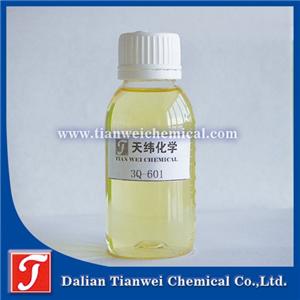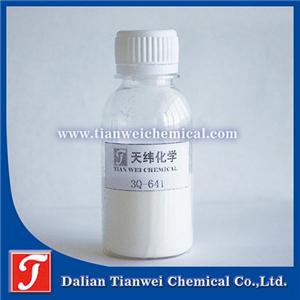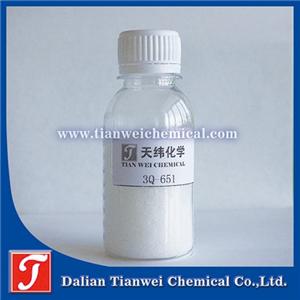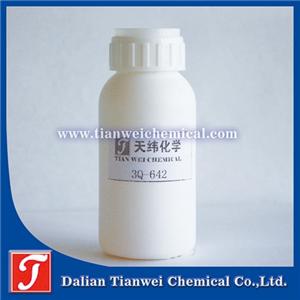
Transparent silicone sealant mold inhibitor: The invisible guardian protecting the health of your home
Transparent silicone sealant mold inhibitor: The invisible guardian protecting the health of your home
In a damp and moldy home environment, the proliferation of mold not only damages the aesthetic appearance of the decoration but also releases spores that pose a threat to human health. As a core material in building sealing, the mold-resistant performance of transparent silicone sealant has become a key indicator for modern home decoration.The mold-resistant agent of transparent silicone sealant provides a long-lasting antibacterial solution for scenarios such as glass facades, kitchen and bathroom sealing, and joint filling, becoming a hidden guardian protecting the health of the home
1. Technological breakthrough of the mold-resistant agent: From passive protection to active elimination
Traditional silicone sealant relies on physical barrier to prevent mold, but it still cannot escape the erosion of mold in a humid and hot environment. The new generation of transparent silicone sealant
mold-resistant agent adopts a synergistic enhancement technology and achieves active elimination through a triple action mechanism:
Cell membrane penetration: The active component penetrates the cell membrane of the mold, destroying the integrity of the cell structure;
Enzyme activity inhibition: It coordinates with the mercapto group (-SH) in the microbial enzyme system to block the metabolic pathway;
DNA interference: Non-oxidative components combine with nucleic acids to inhibit spore germination and mycelial growth.
The mold-resistant agent of silicone sealant kills 99.99% of common molds such as Aspergillus niger and Aspergillus flavus, remains stable at 300°C, and passes the ISO 22196 antibacterial test and
the JC/T 885 building mold prevention standard certification. Its colorless and transparent characteristics ensure that it does not affect the light transmittance of the silicone sealant, and is particularly
suitable for scenarios with extremely high aesthetic requirements such as glass facades and sunrooms.
II. Precise Coverage of Application Scenarios: Comprehensive Protection from Kitchen and Bathroom to Industrial Sectors
1. Kitchen and Bathroom Spaces: The Ultimate Solution for Damp Environments
In scenarios such as bathroom glass partitions and countertop sealing, the addition of 0.5% - 1.2% of mold inhibitor can achieve 0-level mold prevention (the highest level). A high-end residential
project measured that after using silicone sealant containing this mold inhibitor, the shower enclosure sealant remained free of mold spots for 6 months during the rainy season, which was 12 times
longer than that of ordinary products in terms of mold prevention duration.
2. Building Curtain Wall: Dual Assurance of Structural Safety and Aesthetics
The glass curtain wall project of the building uses silicone structural sealant containing mold-resistant agent. It has passed extreme temperature tests ranging from -40℃ to 80℃, and the sealant did
not show any cracking or mold growth. The weather-resistant components in the mold-resistant agent can resist ultraviolet aging, ensuring that the sealant maintains elasticity and adhesion strength t
hroughout a 25-year usage period.
3. Industrial Field: Customized Protection for Special Environments
In industrial scenarios such as ship anti-fouling and ink pigment, the paste-type mold and bacteria-resistant agent (with an active substance concentration of ≥ 30%) demonstrates unique advantages.
After adopting this technology in a certain offshore platform project, the mold growth rate of the equipment seals decreased by 97%, and the maintenance frequency was extended from once per
month to once per year.
III. Innovation in Construction Techniques: Comprehensive Control from Material Selection to Operational Specifications
1. Precise Addition Process
Liquid Silicone Sealant: Add at 0.05% - 0.1% of the total formula volume. It is recommended to mix during the preheating stage at 50 - 60℃ to ensure the uniform dispersion of the mold release
agent; Gel-like Silicone Sealant: Add at 0.03% - 0.08% of the base material weight. It needs to be ground through a three-roll mill to achieve nanoscale dispersion to avoid agglomeration that affects light transmittance.
2. Standardized Construction Process
Surface Preparation: Clean the surface with isopropyl alcohol, ensuring that the surface roughness is within Ra ≤ 3.2 μm
Gluing Control: Use an electric glue gun to move at a constant speed (≤ 50 mm/s), and control the width-to-depth ratio of the glue joint to be 2:1
Curing and Maintenance: Place it in a 23℃, 50% RH environment for 72 hours. Avoid contact with un-cured glue.
In a high-end decoration project, through strict construction control, the measured service life of the anti-mildew sealant reached 1.8 times the design value
and the customer complaint rate decreased by 82%.
IV. Balance of Environmental Protection and Safety: Full Life Cycle Management from Component Design to Waste Disposal
1. Green Component System
Modern fungicides have abandoned traditional organic mercury and arsenic compounds and adopted a composite formula of IPBC (Ipropynyl Butyl Ammonium Carboxylate) and OBPA (4,5-
Dichloro-2-Octyl-4-isothiazolin-3-one), which complies with the certification standards of EPA (U.S. Environmental Protection Agency) and BPR (European Union Biocidal Products Regulation),
reducing the toxicity to aquatic organisms by 90%.
2. Construction Safety Protection
Although the product complies with the non-irritating standard of the REACH regulations, N95 masks and nitrile gloves must still be worn during operation. Comparative tests conducted in a
laboratory showed that proper protection could reduce the skin contact of the operators to 1/20 of the safety threshold.
3. Waste Disposal Specifications
Uncured colloids need to be cleaned with acetone and then treated as hazardous waste. After curing, the colloids can be disposed of along with construction waste. A chemical industrial park has
established a mold inhibitor recovery system, which uses distillation to purify the solvents and achieve solvent recycling. This results in a reduction of VOC emissions by 12 tons per year.
Conclusion
The technological evolution of transparent silicone sealant anti-mildew agents has witnessed the transition of materials science from a single protective measure to a comprehensive solution. In today's era when the concept of healthy living has taken root, choosing anti-mildew products that meet international standards, combined with standardized construction and full life-cycle management, is the only way to truly achieve the lasting protection of "mildew-free spaces"