3C plastic antibacterial agent: Built-in protection solution for materials used in high-frequency contact electronic products
3C products - mobile phones, tablets, laptops, headphones, smartwatches - are the item category that people interact with the most frequently. Research shows that Americans check their phones an average of 47 times per day, and the bacterial count on the surface of phone cases can be more than 10 times that of toilet seats. The plastic shells, buttons, protective cases, and charging accessories of 3C products are exposed to hand sweat, sebum, and environmental dust for a long time, and bacteria accumulate continuously on the surface. The core value of the antibacterial agent in 3C plastics lies in embedding the antibacterial function into the plastic substrate during injection molding, making the antibacterial ability an inherent property of the product rather than relying on easily worn surface treatments.
The antibacterial requirements of 3C plastics and their material characteristics
The shell materials of 3C products are mainly PC, ABS, PC/ABS alloys, and TPU. PC is used for transparent hard shells and high-end shells, ABS is used for functional components and accessories, and TPU is widely used for soft protective cases and straps. The processing temperatures and appearance requirements of different materials vary: the injection molding temperature of PC is higher, that of ABS is relatively moderate, and that of TPU has special requirements for dispersion and hand feel.
The evaluation of antibacterial properties of 3C plastics has a clear standardized path. GB/T 31402-2023 "Determination of Antibacterial Activity on the Surface of Plastic and Other Non-porous Materials" is the core basis for antibacterial testing of plastic materials for home appliances and electronic shells, using Escherichia coli and Staphylococcus aureus as standard test strains, and evaluating the antibacterial rate after 24 hours of contact by the film application method. An antibacterial rate of ≥99% is considered a strong antibacterial effect, and ≥90% indicates the presence of antibacterial effect. For 3C product accessories that claim antibacterial functions, this standard provides a verifiable technical framework for product claims.
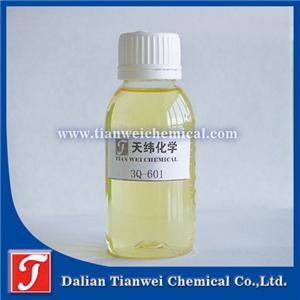
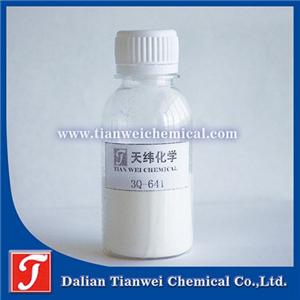
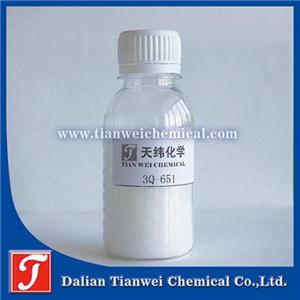
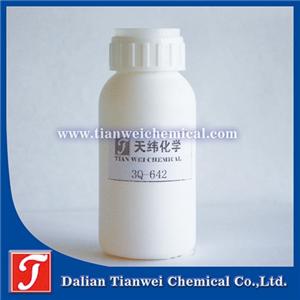
Dalian Tianwei's antibacterial agent product line clearly covers the electronic and electrical application industry. Its antibacterial agent has broad-spectrum antibacterial properties, with an antibacterial activity value of ≥2.0 or an antibacterial rate of ≥99%, good thermal stability, high temperature resistance, and resistance to color change, good compatibility and dispersion, and does not alter the original processing technology of the plastic.
Dalian Tianwei's 3C plastic antibacterial solution: Technical Adaptation
Dalian Tianwei provides a solution centered on silver ion antibacterial technology for the processing characteristics and usage scenarios of 3C plastics. The silver ion antibacterial mechanism and coverage of bacterial species
Dalian Tianwei uses silver ions as the active component and releases them gradually through a sustained-release mechanism in the plastic substrate. Silver ions adsorb onto the negatively charged surface of bacteria and penetrate the cell membrane to combine with the sulfhydryl groups of enzymes, disrupting the cell metabolism and DNA replication ability, having a broad-spectrum inhibitory effect on common bacteria species on 3C product surfaces such as Escherichia coli and Staphylococcus aureus. After testing, the antibacterial rate can reach over 99%.
For the antibacterial verification of 3C products, it is recommended to refer to GB/T 31402-2023 or ISO 22196, using Escherichia coli and Staphylococcus aureus as indicator bacteria, and testing by the film application method. Downstream enterprises should prepare test samples for inspection with the actual addition amount before mass production to ensure the data is consistent with the production status.
Temperature resistance and dispersion: Adaptation for 3C injection molding processes
The injection molding temperature of PC is usually 260-300℃, that of ABS is 200-260℃, and TPU is relatively lower. The thermal stability of Dalian Tianwei's antibacterial agent can cover the above processing windows, and it does not decompose, does not change color, and does not lose effectiveness during injection molding. For transparent PC shells and light-colored products, the uniformity of dispersion of the antibacterial component directly affects the appearance quality. The pre-dispersed process helps reduce the increase in haze or crystal point problems caused by agglomeration.
In terms of addition amount, Dalian Tianwei's antibacterial agent can reach the target antibacterial rate at a lower proportion, with the impact on the transparency, toughness, and surface glossiness of PC and ABS reduced within a small range. The carrier coating process helps reduce the yellowing risk of silver-based antibacterial agents during processing, adapting to the appearance requirements of white and light-colored 3C shells.
Safety and Compliance
3C products have direct contact with human hand skin for a long time, so the safety of the antibacterial agent needs to be taken into consideration. Dalian Tianwei antibacterial agent complies with the requirements of EU RoHS and REACH, meets the GB 9685-2016 food contact material standards, and no inorganic metal ions are released or migrated. For components such as the earphone shell and smart watch strap that may come into contact with sensitive skin areas, this safety foundation provides a compliance basis for formula selection.
Application scenarios: Antibacterial coating for 3C plastic products
Dalian Tianwei 3C plastic antibacterial solution is applicable to the following product types:
Phone cases and tablet protection cases: PC transparent hard shells and TPU soft shells are the core application scenarios of antibacterial function. The internal addition solution makes the antibacterial components distributed throughout the cross-section of the shell, and the daily grip friction and slight wear do not affect the continuous release of the internal active components.
Earphone shells and charging boxes: TWS earphone charging boxes and earplug shells frequently come into contact with hand and ear skin. The antibacterial treatment can inhibit the reproduction of surface bacteria and reduce the microbial load when inserted into the ear.
Smart watch straps and shells: TPU or silicone straps are long-term adhered to the wrist, and sweat and sebum accumulation provide conditions for bacterial reproduction. The antibacterial strap has practical hygiene significance in sports scenarios.
Notebook computer palm rests and keyboard peripheral plastic parts: High-frequency contact areas, antibacterial treatment can reduce the accumulation speed of surface bacteria colonies.
Conclusion
The key to the 3C plastic's enhanced antibacterial property lies in whether the antibacterial agent can remain stable at the injection molding temperature, be evenly dispersed in the plastic matrix, and remain effective continuously under frequent daily contact and friction. Dalian Tianwei, with its core silver-based antibacterial technology, relies on temperature adaptability, dispersion process, and compliance foundation, to provide a functionalized antibacterial path from the material end for 3C plastics such as PC, ABS, and TPU. Against the backdrop of consumers' continuous increasing concern for the hygiene of daily contact with electronic products, 3C accessories and shells with built-in material antibacterial capabilities are becoming a practical direction for product quality improvement.