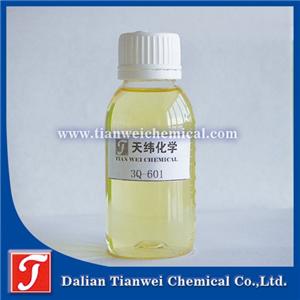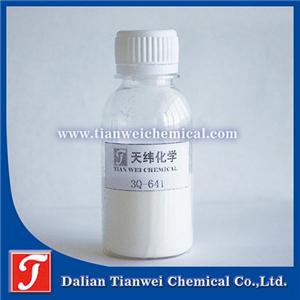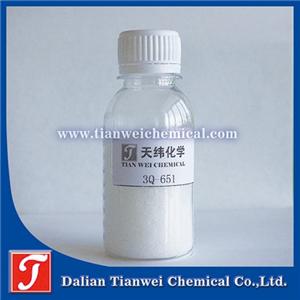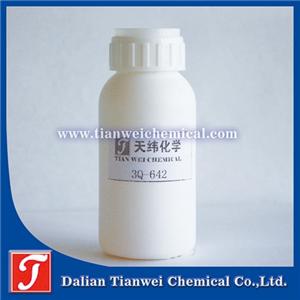
Antibacterial masterbatch for curtain fabric
Curtains are one of the largest textiles in the home environment. They are hung at the window position and directly exposed to sunlight, air, and dust. At the same time, they are frequently pulled and dragged, absorbing human skin flakes and sweat. In humid seasons, the fabric of curtains is very likely to become a breeding ground for microorganisms such as Aspergillus niger, Penicillium, and Staphylococcus aureus, causing the fabric to mold, change color, and develop an unpleasant smell. This not only affects the appearance and lifespan of the curtains but also poses a potential threat to the indoor air quality.
There are two main ways to obtain antibacterial curtain fabric: one is the post-treatment method - immersing the fabric in antibacterial finishing solution and drying it; the other is the pre-spinning stage by adding antibacterial granules for spinning modification. Among them, the spinning-grade antibacterial granule method gives the fibers intrinsic antibacterial ability by adding it internally. The antibacterial components are evenly distributed within the fibers, without the problem of coating detachment, and has better washing resistance. It is the mainstream technical path for curtain fabric to achieve long-term antibacterial function.
Dalian Tianwei has launched a spinning-grade antibacterial granule solution for curtain fabrics using synthetic fiber bases such as polyester (PET), nylon (PA), and polypropylene (PP). The core technology of this solution is based on the silver-zinc composite slow-release technology, with fine particle size, excellent spinnability, high temperature resistance, safety, and environmental friendliness. It endows the curtain fabric with long-lasting antibacterial and mold-preventing capabilities from the fiber source.
01 Why Curtain Fabrics Need Special Antibacterial Granules Microbial Risks of Curtains
Curtain fabrics face multiple microbial threats during daily use:
Large area, prone to dust accumulation and moisture absorption: Curtains are one of the largest textiles in the home environment. They are exposed to the air for a long time, absorbing dust and absorbing moisture in humid seasons, providing conditions for mold growth. Curtain fabrics that have not undergone antibacterial treatment can quickly reproduce mold on the fiber surface, causing the fabric to change color and develop an unpleasant smell.
Frequent pulling and dragging, residual sweat: Curtains are pulled open and closed daily, and sweat from the palms remains on the fabric surface, serving as a "nutrient" for bacterial reproduction.
Unique advantages of the antibacterial granule method: Compared with the post-treatment method, the spinning-grade antibacterial granules add antibacterial components uniformly to the interior of the fibers through internal addition. The antibacterial effect is more lasting, the washing resistance is better, and there is no problem of coating detachment.
02 Core Technical Requirements for Curtain Fabric Antibacterial Granules
Spinning Process Compatibility
The spinning temperature for polyester (PET) is usually 260-280°C, nylon (PA) is about 240-270°C, and polypropylene (PP) is about 220-250°C. The antibacterial granules need to withstand this high temperature without decomposition, color change, or loss of effectiveness, and have a sufficiently fine particle size to avoid clogging the spinneret and meet the requirements for high-speed spinning of fine fibers.
Dalian Tianwei's antibacterial granules use nanoscale dispersion technology. The antibacterial particles have a particle size of 1-2 nm, ensuring uniform dispersion through controllable rheological high shear dispersion technology, meeting the requirements for high-speed spinning of fine polyester fibers without clogging the screen or stopping the spinning.
Washing Resistance and Durability
Curtains need to be cleaned regularly, and the antibacterial components need to be firmly combined with the fibers, not quickly lost due to multiple washes. The Tianshi Lantian spinning-grade antibacterial solution evenly distributes the antibacterial components within the fibers through internal addition, maintaining the antibacterial effect synchronously with the washing cycle, and having excellent washing resistance.
Does not affect the feel and appearance of the fabric
After adding the antibacterial granules, the curtain fabric should not affect the softness, color, and drapeability. Tianshi Lantian uses nanoscale antibacterial powder, with fine particle size and uniform distribution, without affecting the normal spinning process and having no adverse effects on the appearance and feel of the fibers.