Antimicrobial preservatives for animal protein water-soluble fertilizer: Solving the problems of bulging barrels and nutrient loss from the source
Animal protein water-soluble fertilizer (including fish protein water-soluble fertilizer, bone protein water-soluble fertilizer, feather protein water-soluble fertilizer, animal amino acid liquid fertilizer, etc.) is rich in free amino acids, small molecule peptides, collagen protein and other active nutrients. It is a high-quality organic liquid fertilizer for improving the quality and increasing the yield of modern agriculture. However, the high organic matter and high moisture characteristics of animal protein water-soluble fertilizer naturally make it a breeding ground for bacteria, molds, and yeast. After production and filling, residual bacteria continuously decompose nutrients, metabolize and produce irritating odors such as hydrogen sulfide and ammonia, resulting in bulging barrels, bulging bottles, turbid liquid stratification, blackening at the bottom, and causing a large amount of finished products to be scrapped and returned for loss.
Industry data shows that water-soluble fertilizers containing amino acids and protein-based organic components bulge bottles during storage. The common reason is that gas-producing bacteria in the air invade and cause fermentation. Conventional preservatives, due to poor compatibility with the animal protein colloid system, can only inhibit bacteria for a short period of time and cannot fully cover the protection throughout the year of storage and transportation. Tianshi Blue Shield has launched a dedicated compound preservative solution for the animal protein water-soluble fertilizer system, with a targeted compound slow-release technology as the core, to achieve full-cycle microbial protection from the production end.
Why does animal protein water-soluble fertilizer deteriorate? - Understanding the necessity of preservatives from the root
The causes of water-soluble fertilizer spoilage
Animal protein water-soluble fertilizer is made from natural animal raw materials through enzymatic hydrolysis or fermentation processes, with a molecular structure containing a large amount of free amino acids, small molecule peptides, collagen protein, etc., providing an ideal environment for microbial proliferation. Microbial spoilage mainly occurs through two pathways:
Deamination: Microorganisms (such as Escherichia coli, Proteus mirabilis, etc.) break down amino acids, generating ammonia gas, hydrogen sulfide, etc., causing bulging barrels and bottles, and also generating odorous substances such as amines.
Deoxygenation: Mainly caused by spoilage bacteria and fungi, amino acids are deoxygenated to form reduced carbon atoms amine and carbon dioxide, further exacerbating the gas accumulation problem.
Chain consequences of spoilage
Bulging barrels and bottles: Gas accumulation causes packaging deformation and damage, resulting in product scrapping and return loss.
Odorous stratification: The production of spoilage metabolites produces unpleasant odors, turbid liquid, blackening at the bottom, and loss of product value.
Nutrient loss: Amino acids and peptides are decomposed and consumed by microorganisms, resulting in significant loss of fertilizer fertility when applied to the soil.
Root diseases: Harmful bacteria in the deteriorated liquid fertilizer can cause root diseases in crops.
Core advantages of Dalian Tianwei products
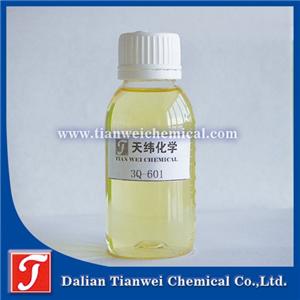
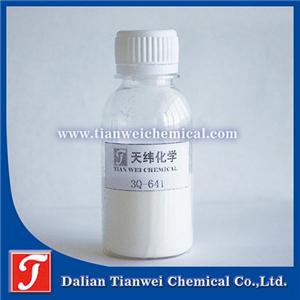
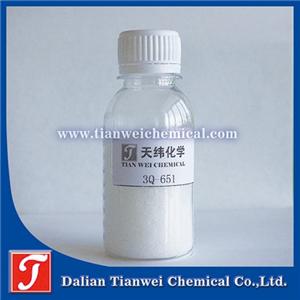
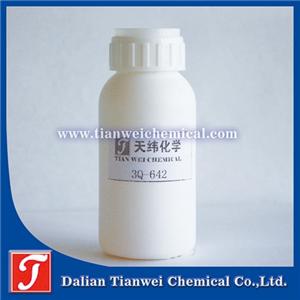
Dalian Tianwei has in the field of microbial control in organic liquid fertilizers, and developed a dedicated compound preservative formula for the animal protein water-soluble fertilizer system, different from general-purpose preservative raw materials.
Collaborative compounding, triple antibacterial mechanism
Quick sterilization: Using the ZW370 + BNT collaborative formula, the compound sterilization mechanism can quickly penetrate the cell membrane of microorganisms, with an antibacterial rate of up to 99.9% for common spoilage bacteria (such as Escherichia coli, Staphylococcus aureus, spore-forming bacteria, etc.) in animal protein water-soluble fertilizer, significantly superior to traditional preservatives.
Long-term retention: Inhibiting the metabolic system of microorganisms, preventing amino acids and small molecule peptides from being decomposed and consumed, firmly locking in the original nutrients of the fertilizer,avoiding significant attenuation of fertilizer efficacy.
Odor degradation: The BNT component can quickly degrade odor substances such as hydrogen sulfide produced by spoilage, restoring the product appearance and function, and reducing losses.
High-temperature resistance,suitable for filling processes
Traditional preservatives are prone to inactivation in high-temperature environments,while the Tianshi Blue Shield formula can remain stable at 80°C, perfectly adapting to the high-temperature filling processes and summer storage environments in water-soluble fertilizer production,extending the product validity period to over 18 months.
Wide pH compatibility,fully compatible with all processes
Applicable pH range of 3-10, various animal protein water-soluble fertilizer formulas with acidic, neutral, and weakly alkaline properties can be added. The liquid additives are easy to add. They can be directly mixed without the need for secondary emulsification. The addition amount is only 0.1% - 0.4%. A small amount of addition can meet the anti-corrosion standards. They are suitable for automated filling lines and do not require equipment process modification.
Environmentally friendly, with no residual risks.
The formula does not contain formaldehyde, heavy metals, or strong irritating solvents. It has no solvents, zero VOCs, low migration and low residue. When used for agricultural fertilization, spraying on the leaves or drenching at the roots have no risk of crop poisoning. It conforms to the green production standards of ecological organic fertilizers.
"Anti-corrosion + Rescue Materials" dual functions
For semi-finished products that are slightly contaminated with bacteria or slightly sour during production, the additives can quickly inhibit the spread of miscellaneous bacteria, decompose the odor-metabolizing substances, restore the fertilizer properties, and reduce the loss of raw materials. It can also be used simultaneously for daily disinfection and sterilization of production tanks and transportation pipelines to achieve microbial protection throughout the entire chain of raw material storage, finished product filling, and pipeline disinfection.