Antioxidants for organic water-soluble fertilizers: Solving the problems of bulging barrels and nutrient loss from the source
Organic water-soluble fertilizers (including amino acid water-soluble fertilizers, humic acid water-soluble fertilizers, alginate water-soluble fertilizers, fish protein water-soluble fertilizers, etc.) are rich in free amino acids, humic acid, alginate polysaccharides, small molecule peptides, and other active nutrients. They are the core fertilizer category for improving agricultural productivity in modern agriculture. However, the high organic matter and high moisture content of organic water-soluble fertilizers naturally make them a breeding ground for bacteria, molds, and yeast. After production and filling, residual bacteria continuously decompose nutrients, metabolize and produce irritating odors such as hydrogen sulfide and ammonia, resulting in bulging barrels, liquid turbidity and stratification, and blackening at the bottom, causing a large amount of finished products to be scrapped and returned for loss.
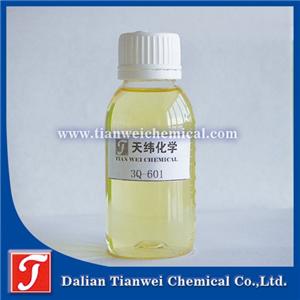
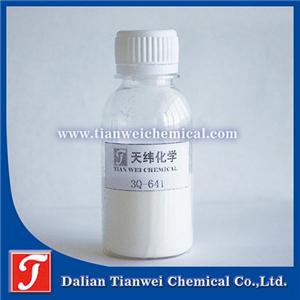
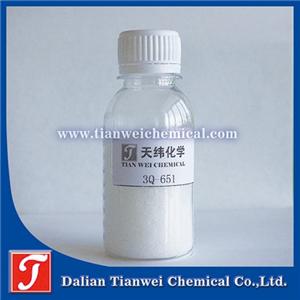
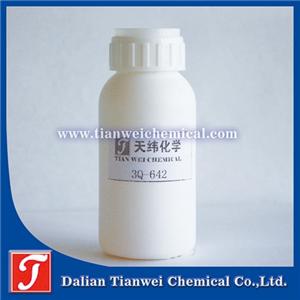
Industry data shows that water-soluble fertilizers containing organic components such as amino acids and humic acid tend to bulge bottles during storage. The common reason is that gas-producing bacteria in the air invade and cause fermentation. Conventional preservatives, due to poor compatibility with the organic water-soluble fertilizer system, can only inhibit bacteria for a short period of time and cannot fully cover the protection throughout the year of storage and transportation. Tianshi Blue Shield has launched a dedicated compound preservative solution for the organic water-soluble fertilizer system, with a targeted compound slow-release technology as the core, to achieve full-cycle microbial protection from the production end.
01 Why does organic water-soluble fertilizer deteriorate? - Understanding the necessity of preservatives from the root
The causes of water-soluble fertilizer spoilage
Organic water-soluble fertilizers are made from natural plant and animal raw materials through enzymatic hydrolysis or fermentation processes. Their molecular structure contains a large amount of free amino acids, humic acid, small molecule peptides, sugars, etc., providing an ideal environment for microbial proliferation. Microbial spoilage mainly occurs through two pathways:
Deamination: Microorganisms (such as Escherichia coli, Proteus mirabilis, etc.) break down amino acids, generating gases such as ammonia and hydrogen sulfide, causing bulging barrels and bottles, and also producing odor-causing substances such as amines.
Deoxygenation: Mainly caused by spoilage bacteria and fungi, amino acids are deoxygenated to form a reduced carbon atom amine and carbon dioxide, further exacerbating the gas accumulation problem.
Chain consequences of spoilage
Bulging barrels and bottles: Gas accumulation causes packaging deformation and damage, resulting in product scrapping and return losses.
Odor generation and stratification: The production of spoilage metabolites generates unpleasant odors, making the liquid turbid, with sedimentation and blackening at the bottom, losing the value of the product.
Nutrient loss: Amino acids, humic acid, etc. are decomposed and consumed by microorganisms, resulting in significant nutrient loss and reduced fertilizer efficacy when applied to the soil.
Root diseases: Harmful bacteria in the deteriorated liquid fertilizer can easily cause root diseases in crops when applied to the soil.
02 Core advantages of Dalian Tianwei products
Dalian Tianwei hased the field of microbial control in organic liquid fertilizers and developed a dedicated compound preservative formula for the organic water-soluble fertilizer system, different from general-purpose preservative raw materials.