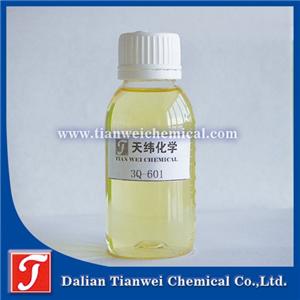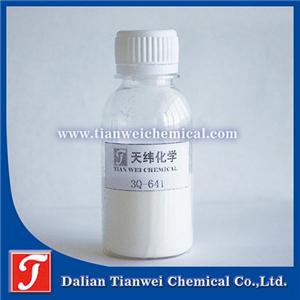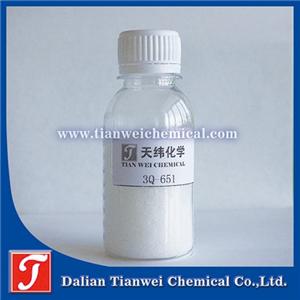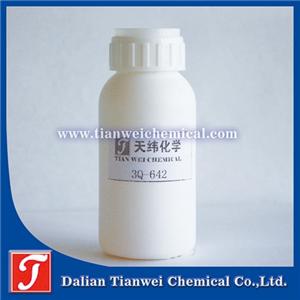
Industrial application of pulp sterilization and preservative agents
Pulp sterilization and preservative agents are specialized chemicals used in the paper industry to inhibit the reproduction of microorganisms in the pulp system. The wet part of the paper production environment is slightly acidic to neutral, rich in fibers and nutrients, and is highly prone to the growth of bacteria, fungi, and yeasts, leading to pulp spoilage, formation of rotten pulp deposits, paper holes and odors, etc. The addition of sterilization and preservative agents can effectively control the population of microorganisms, ensure the normal operation of the paper machine and the quality of the finished products, and play an irreplaceable role in the production of cultural paper, packaging paper and special paper.
In terms of technical features, the pulp bacteriostatic and preservative agents need to have the dual functions of rapid sterilization and long-term inhibition. Typical products include isothiazolinones, bromonitroalcohols, and bis(trichloromethyl)sulfones, etc. Among them, isothiazolinones are widely used due to their broad-spectrum efficiency and moderate cost. However, their stability is greatly affected by pH and temperature, and in alkaline pulp, stabilizers need to be compounded.
In practical applications, the addition points of pulp sterilization and anti-corrosion agents are usually selected in the pulp tank, the flow box or the white water circulation system. It is recommended to adopt a continuous drip addition method to maintain the effective concentration of the sterilizing agent in the system. The dosage varies depending on the type of paper and the degree of system contamination. Generally, the initial dosage is recommended to be 50-200 ppm, and the maintenance dosage is 10-50 ppm. Users need to regularly monitor the total bacterial count and the number of anaerobic bacteria in the pulp, and evaluate the effect through rapid microbial detection plates or ATP fluorescence method. It should be noted that excessive use may lead to residual of the anti-corrosion agent affecting the color of the paper, so a balance must be struck between the sterilization effect and process safety.
Looking to the future, the technology of pulp sterilization and preservatives will develop towards environmental protection, intelligence and multi-functionality. On one hand, the global restrictions on formaldehyde-releasing sterilizers have driven the research and development of green alternatives; on the other hand, the Internet of Things technology enables precise and automatic control of the dosing system, adjusting the dosage in real time based on online microbial monitoring data. At the same time, composite additives that combine sterilization and enhance fiber strength are also at the forefront of research. Relevant enterprises should pay attention to the dynamics of food contact material regulations in various countries, and make advance preparations for chlorine-free and formaldehyde-free product lines, so as to gain the upper hand in the green transformation of the paper industry.