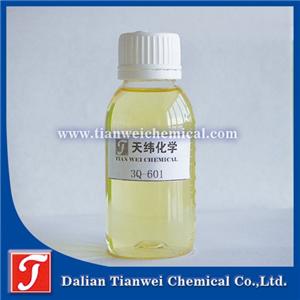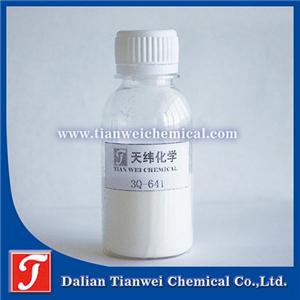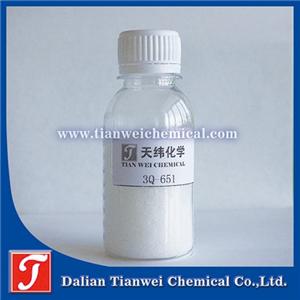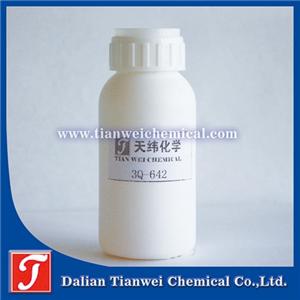
The manufacturer of disinfectants directly supplies highly effective disinfection products.
Bactericides are key additives used in the chemical and energy industries to inhibit or kill harmful microorganisms (bacteria, fungi, algae, etc.). Their core function is to ensure the biological safety of industrial equipment, products, and process procedures. The term "direct supply by manufacturers with highly effective bactericides" specifically refers to producers bypassing the intermediate distribution levels and directly delivering high-concentration, highly active bactericides to end-users, thereby reducing supply chain costs while ensuring the freshness and efficacy of the drug formulation. This model is particularly important in scenarios such as circulating cooling water systems, oilfield injection water, papermaking processes, and anti-mildew and anti-algae coatings, as these fields have strict requirements for the speed of bactericide action, broad-spectrum properties, and residue control. Direct supply by manufacturers not only shortens the logistics cycle but also allows for customization of concentrations and compounding schemes based on operating conditions, achieving precise and efficient bactericidal effects.
Bactericides are key additives used in the chemical and energy industries to inhibit or kill harmful microorganisms (bacteria, fungi, algae, etc.). Their core function is to ensure the biological safety of industrial equipment, products, and process procedures. The term "direct supply by manufacturers with highly effective bactericides" specifically refers to producers bypassing the intermediate distribution levels and directly delivering high-concentration, highly active bactericides to end-users, thereby reducing supply chain costs while ensuring the freshness and efficacy of the drug formulation. This model is particularly important in scenarios such as circulating cooling water systems, oilfield injection water, papermaking processes, and anti-mildew and anti-algae coatings, as these fields have strict requirements for the speed of bactericide action, broad-spectrum properties, and residue control. Direct supply by manufacturers not only shortens the logistics cycle but also allows for customization of concentrations and compounding schemes based on operating conditions, achieving precise and efficient bactericidal effects.
In practical applications, fungicides serve multiple specialized fields within the chemical and energy industries. For instance, in industrial circulating cooling water systems, due to the suitable water temperature and abundant nutrients, legionella and other pathogenic bacteria as well as sulfate-reducing bacteria are prone to proliferate, causing biofilm to clog pipes and accelerating corrosion. Efficient fungicides such as isothiazolinones, quaternary ammonium salts, or oxidative fungicides (such as sodium hypochlorite) can avoid storage failure through direct supply from manufacturers, ensuring that they quickly destroy the microbial cell membranes or oxidize the metabolic enzyme systems after application, thereby controlling the total bacterial count to less than 10⁴ CFU per milliliter. In the agricultural chemicals sector, efficient fungicides are used for seed treatment, foliar spraying, or soil disinfection. The direct supply model enables growers to obtain the latest registered compounded products, enhancing the control of diseases such as downy mildew and powdery mildew. Additionally, in oil and gas field water injection operations, fungicides are required to continuously inhibit sulfur-hydrogen-producing bacteria to prevent reservoir blockage and pipeline perforation. The high-concentration products supplied directly can meet the chemical stability requirements under high-pressure injection conditions.
From a technical perspective, the core competitiveness of highly effective fungicides lies in their mechanism of action and formulation stability. Modern fungicides often adopt multi-targeted synergy design: for instance, by disrupting cell wall synthesis, interfering with the electron transfer of the respiratory chain, or blocking nucleic acid replication, microorganisms find it difficult to develop resistance. At the same time, the highly effective products directly supplied by manufacturers often employ microcapsule sustained-release technology or nanoemulsification processes, allowing the active ingredients to be uniformly dispersed in the aqueous phase and prolonging the duration of efficacy. At the formulation level, the direct supply model enables manufacturers to dynamically adjust the proportion of additives according to the on-site water quality (pH, hardness, organic matter content), for example, increasing the penetrant in an alkaline environment to enhance the ability of the fungicide to penetrate the biofilm. Additionally, the use of volatile organic solvents is strictly controlled to comply with increasingly strict environmental regulations, and the low-dose high-efficiency characteristic of highly effective fungicides also reduces the generation of by-products and lowers the risk of occupational exposure.
In terms of development prospects, the trend of direct supply of fungicides for efficient sterilization is closely linked to the green and intelligent transformation of the chemical industry. With the global restrictions on chlorine-containing and highly toxic fungicides, the development of low-toxicity and biodegradable substitutes has become an inevitable direction, such as biological fungicides based on chitosan, plant essential oils or enzyme preparations. The direct supply model can accelerate the trial and iteration of these new products, as manufacturers can directly collect user feedback and adjust production processes. At the same time, the combination of Internet of Things technology and direct supply enables manufacturers to remotely monitor the water quality data at the user site and automatically control the precise addition of fungicides, achieving an upgrade from "selling products" to "selling services". Under the sustainable development goals, efficient fungicides will also develop towards multi-functional integration, having both corrosion inhibition and scale inhibition effects, reducing the comprehensive drug types and costs of chemical enterprises.
Overall, the essence of the efficient sterilization provided by the fungicide manufacturers is the vertical optimization of the chemical industry chain - eliminating intermediate links not only reduces transaction costs but also ensures the "zero attenuation" efficiency of the agent from the production line to the application node. For chemical enterprises, choosing the direct supply model means obtaining technical support: the technical support and on-site assessment provided by the manufacturers can help users avoid excessive dosage or ineffective use, thereby improving the continuity of device operation and extending the lifespan of equipment. It is worth noting that efficient sterilization is not the result of a single component, but the result of the synergy of formulation engineering, application technology and supply chain management. In the future, with the breakthroughs in the theoretical basis of fungicides (such as group sensing inhibition) and the improvement of the direct supply network, this model will become a regular means for maintaining biological safety in the chemical and energy industries, promoting the entire industry to evolve towards a more efficient and environmentally friendly direction.