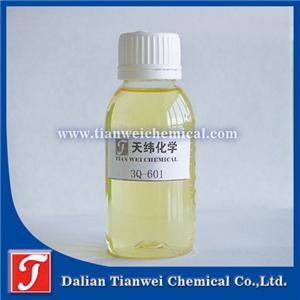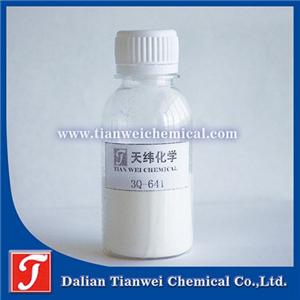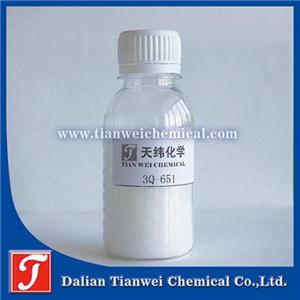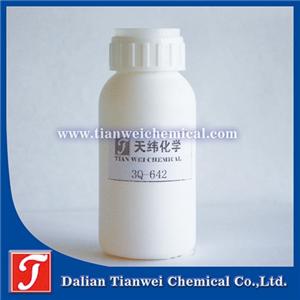
Platinum-cured silicone sealant mold inhibitor
Platinum-cured silicone (addition type silicone) has become the preferred material for high hygiene-grade applications such as baby products, food contact appliances, and medical accessories due to its low leaching, high transparency, and excellent biocompatibility. However, the platinum sulfidation system is highly sensitive to impurities in the formula - substances containing nitrogen, phosphorus, and sulfur can cause poisoning of the platinum catalyst and lead to incomplete curing or surface stickiness. This process characteristic determines that the mold inhibitor for platinum-cured silicone cannot simply adopt the common silicone additive scheme; it must achieve long-term mold inhibition without interfering with the platinum catalytic system. DALIANTIANWEI provides a mold inhibition solution centered on the inorganic silver-zinc composite slow-release technology, balancing the compatibility during sulfidation and food contact safety standards.
The challenges and selection logic of platinum-cured silicone mold inhibition
The mold inhibition problem of platinum-cured silicone needs to be distinguished between two causes. The first is surface attachment type: the silicone itself is not a food source for mold, but the organic film formed by dirt, sebum, and food residues on the surface allows mold to reproduce on this film. The second is formula leaching type: certain organic additives remain on the surface of the silicone after sulfidation and become a nutrient source for microorganisms. The platinum sulfidation system itself leaches less and more stably than the peroxide system, but if the mold inhibitor is not selected properly, it may introduce new leaching risks or catalytic poisoning hazards.
Therefore, the selection of mold inhibitors for platinum-cured silicone should follow three core principles:
First, it should not interfere with the platinum catalyst. The mold inhibition active components and carriers must not contain elements such as nitrogen, phosphorus, and sulfur that can cause platinum poisoning. The inorganic silver-zinc system has a natural advantage in this regard: silver ions and zinc ions exert antibacterial effects through physical contact and a slow-release mechanism, not participating in the silicon-hydrogen addition reaction of platinum catalysis.
Second, it must be resistant to sulfidation temperature. The sulfidation temperature of platinum-cured silicone is usually in a high range, and the mold inhibitor must maintain a stable structure within this temperature window, without decomposition, volatilization, or yellowing. Tianshi Blue Shield silicone mold inhibition agent has a thermal decomposition temperature exceeding 240°C, suitable for platinum sulfidation process conditions.
Third, it must meet the compliance requirements of the end application. For platinum silicone products used in mother and baby care, food contact, or medical purposes, the mold inhibitor must comply with food contact material safety standards, with the silver ion migration controlled within the safety limit. Dalian Tianwei liquid silicone uses a mold inhibition agent that meets FDA, GB 4806 food contact safety standards, and RoHS, REACH regulations. The acute oral toxicity test LD50 is ≥ 2000mg/kg, and the gene mutation test is negative.
The technical adaptation of Dalian Tianwei platinum-cured silicone mold inhibition solution
Dalian Tianwei Chemical Co., Ltd. has developed a dedicated mold inhibition and antibacterial solution for platinum-cured silicone (covering liquid LS R injection molding and solid mixing and pressing processes) with a core of the inorganic silver-zinc composite slow-release system, endowing the products with long-term mold inhibition capabilities from the raw material end.