Targeted antibacterial protection | Lactic acid gypsum-specific anti-mold agent, solving the problem of gypsum mold growth
I. Core Pain Points of Lactic Acid Gypsum Mold Growth
Lactic acid gypsum relies on its modified adhesive properties and molding stability and is widely used in gypsum components, decorative gypsum, self-leveling gypsum, and craft gypsum and other building materials. However, the material has a weakly acidic pore structure, high organic matter of lactic acid, and strong hygroscopicity, which makes it prone to the growth of mold such as Aspergillus niger, Penicillium, and yeast. There are three common problems in the industry:
Finished products are prone to mold growth: In storage, due to moisture, and in the kitchen and bathroom basements with high humidity, the gypsum surface quickly develops mold spots, turns yellow and black, and is directly scrapped.
Common mold inhibitors are not suitable: Regular building material mold inhibitors are not resistant to the lactic acid acidic system and are prone to failure, affecting the gypsum curing speed and damaging the gypsum strength.
It is difficult to meet environmental protection and compliance standards: Low-end mold inhibitors have excessive VOC and odors, and cannot be adapted for use in closed living spaces such as home decoration and industrial construction.
II. Dalian Tianwei Lactic Acid Gypsum Special Mold Inhibitor: Special Solution
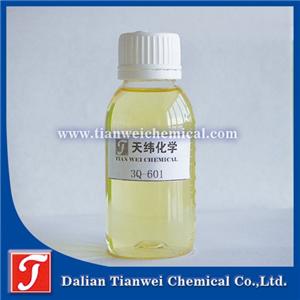
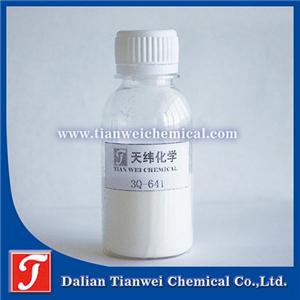
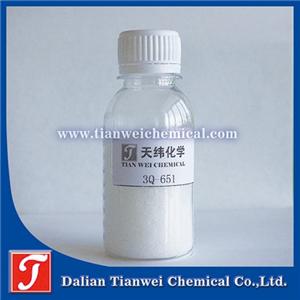
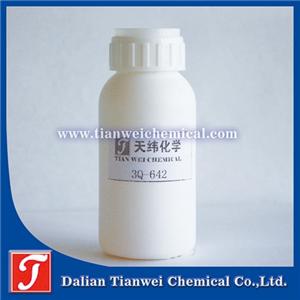
We have deeply focused on the field of antibacterial in building materials and developed a specialized mold inhibitor specifically adapted to the weakly acidic lactic acid system. It is customized for the modified lactic acid gypsum formula and is suitable for two production processes: powder mixing and internal admixture of slurry. It precisely adapts to all types of lactic acid gypsum products and solves mold problems throughout the production, storage, and use cycle in one step.
III. Five Core Advantages of the Product
Strong system adaptability, without altering the material properties: Suitable for a wide pH range of 2-13 acidic and alkaline environments, compatible with lactic acid modified systems, does not delay the initial or final setting time of gypsum, does not reduce the hardness or adhesion of gypsum, does not turn white or change color, and does not affect the appearance of gypsum finishes.
Broad-spectrum long-lasting antibacterial: Slow-release antibacterial formula, not afraid of temperature differences in high and low temperatures, high humidity and rainy environments, long-term inhibition of mold, bacteria, and fungi growth, with a protection period of up to 2 years or more, eliminating the development of drug resistance by molds.
Environmentally friendly and safe for human habitation: Zero VOC, no heavy metals, no irritating odors, in line with national indoor building material environmental standards, suitable for high-standard indoor scenarios such as children's rooms, hospitals, and schools, non-toxic and low volatility, no safety hazards during construction and use.
Convenient feeding, suitable for mass production: Ultra-fine concentrated powder, excellent dispersibility, can be directly mixed with gypsum powder or mixed with slurry, low addition amount, uniform mixing, no need to modify the original production line, suitable for large-scale factory production.
High weather stability: Resistant to ultraviolet rays, resistant to water vapor erosion, suitable for both outdoor decorative lactic acid gypsum and indoor damp zone gypsum, antibacterial components are not prone to decomposition and loss.
IV. Application Scope
Lactic acid modified gypsum lines, gypsum handicrafts
Lactic acid-based self-leveling gypsum, leveling gypsum
Lactic acid adhesive plaster, prefabricated gypsum components
Special lactic acid gypsum building materials for high humidity areas such as kitchens, bathrooms, and underground garages
V. Usage Tips
1. Addition method: Dry powder can be mixed directly, or materials can be added during the water addition stage of the slurry;
2. Regular addition amount: Total material weight 0.1%-0.3%, the amount can be adjusted slightly in high humidity environments;
3. Storage: Store in a sealed and dark place, with excellent stability in regular storage conditions.