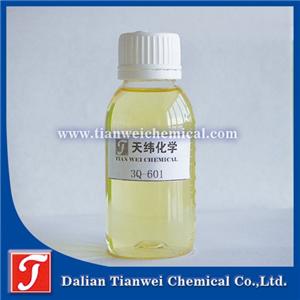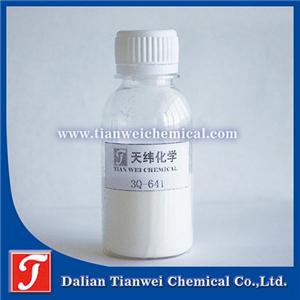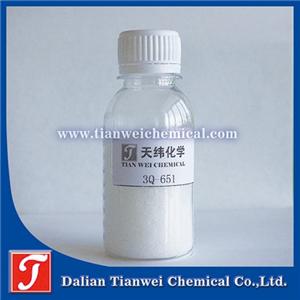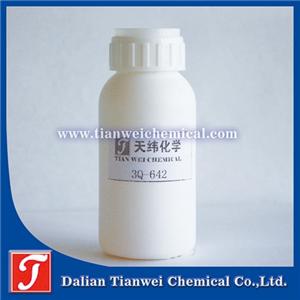
The outer coating of the dumbbells is treated with an antibacterial agent.
Dumbbells are one of the most frequently used equipment in gyms and home fitness routines. The outer surface (grip area, rubber coating layer) comes into direct contact with sweat on the palm during each use. The sweat contains water, salt, and organic substances, providing ideal conditions for bacteria and mold to grow. After use, the sweat residue remains on the surface of the dumbbell, making it prone to bacterial and mold growth, which can affect the health of the user.
With the improvement of public health awareness and the innovation of antibacterial material technology, the application of antibacterial agents in dumbbell manufacturing has shifted from concept exploration to industrialization implementation. Adding a specific antibacterial agent to the outer surface material of the dumbbell from the source can give the product the ability to inhibit the growth of microorganisms, which is the core technical path to achieve long-term hygiene protection.
01 Microbial risks faced by dumbbell outer surfaces
Double challenges of frequent contact and sweat residue
The outer surface of dumbbells (especially the grip area) comes into direct contact with sweat on the palm during each use. The moisture, salt, and organic substances in the sweat provide ideal conditions for bacteria and mold to grow. Unprocessed dumbbell surfaces can allow pathogenic bacteria such as Staphylococcus aureus and Escherichia coli to rapidly multiply, becoming potential hygiene hazards.
Consequences without antibacterial agents
Bacterial growth: The surface of the dumbbell becomes a breeding ground for pathogenic bacteria, and users may be infected with bacteria through hand contact during fitness sessions.
Odor generation: Bacteria break down the organic substances in sweat and release odor-causing substances, affecting the user experience.
Surface aging: Microorganisms erode the outer surface material of the dumbbell, accelerating aging, discoloration, and cracking.
Insufficient product competitiveness: Ordinary dumbbells lack antibacterial functions and are difficult to meet consumers' high requirements for hygiene and safety of fitness equipment.
02 Core technical requirements of antibacterial agents for dumbbell outer surfaces
Diversity of outer surface materials
Dumbbell outer surfaces involve various materials: the grip area often uses EVA foaming materials, TPE, rubber, etc., the rubber coating layer often uses PVC, rubber, PU, etc., and the surface of the weight block may use coating protection. The antibacterial agent needs to be compatible with different substrate processing techniques.
Compatibility of processing techniques
The production of dumbbell outer surfaces involves injection molding, foaming, rubber coating, coating, etc. The processing temperature is usually between 140-200°C. The antibacterial agent needs to withstand this temperature without decomposition, color change, or loss of effectiveness. Tianshi Lantian antibacterial agent has a decomposition temperature above 350°C, suitable for various dumbbell outer surface forming processes.
No change in outer surface texture
Dumbbell outer surfaces have high requirements for softness, anti-slip properties, and hand feel. After adding the antibacterial agent, the material should not become harder, sticky, or rough. Dalian Tianwei antibacterial agent has excellent compatibility with EVA, TPE, rubber, PVC, etc., and does not affect the original physical properties of the outer surface.
Silver-zinc synergy, broad-spectrum antibacterial
Dalian Tianwei antibacterial agent adopts a silver-ion and zinc-ion synergistic composite technology:
Silver-ion rapid sterilization: Silver ions can bind to the cell wall/membrane of the pathogen, penetrate the cell, and combine with sulfuric acid (-SH) for oxygen metabolism to inhibit metabolism and make it inactive, killing various bacteria and viruses in a short time, reaching up to 650 types.
Zinc-ion long-term inhibitory: By inhibiting the enzyme activity of mold, it blocks reproduction and regeneration, with a 90% long-term inhibitory rate for 180 days.
Antibacterial rate ≥ 99%, mold prevention level up to the highest standard 0.
High-temperature resistance, suitable for outer surface forming processes
The processing temperatures of dumbbell grip EVA foaming, rubber coating injection molding, rubber vulcanization, etc. cover 140-200°C. Dalian Tianwei antibacterial agent has a decomposition temperature > 350°C, good thermal stability, and does not decompose, change color, or lose effectiveness during the processing.
Nanometer sustained-release, long-term protection
Using zirconium phosphate as a carrier to load silver-zinc ions, with a particle size controlled at 20-50 nanometers, through microcapsule encapsulation technology to achieve gradient release of antibacterial components. After 1000 hours in an 85°C/85%RH high-humidity environment, the antibacterial rate decline ≤ 5%, with a long-term protection cycle.
System compatibility, no change in outer surface performance
It has excellent compatibility with common materials such as EVA, TPE, rubber, and PVC for the outer skin of dumbbells. When added, it does not affect the core properties of the material such as softness, anti-slip property, and tensile strength. The patented technology indicates that by introducing antibacterial masterbatch into the matrix and combining with the foaming process, the products can maintain excellent elasticity and resilience.
Safe and environmentally friendly, meeting human contact standards
The dumbbells directly contact the human skin, and safety compliance is a hard requirement. The products of Dalian Tianwei meet the requirements of EU RoHS and REACH, comply with GB 9685-2016 food contact material standards, and no inorganic metal ions are released or migrated. The acute oral toxicity LD50 is > 5000mg/kg, belonging to the actual non-toxic level.